
Where to Donate School Supplies in California
March 10, 2026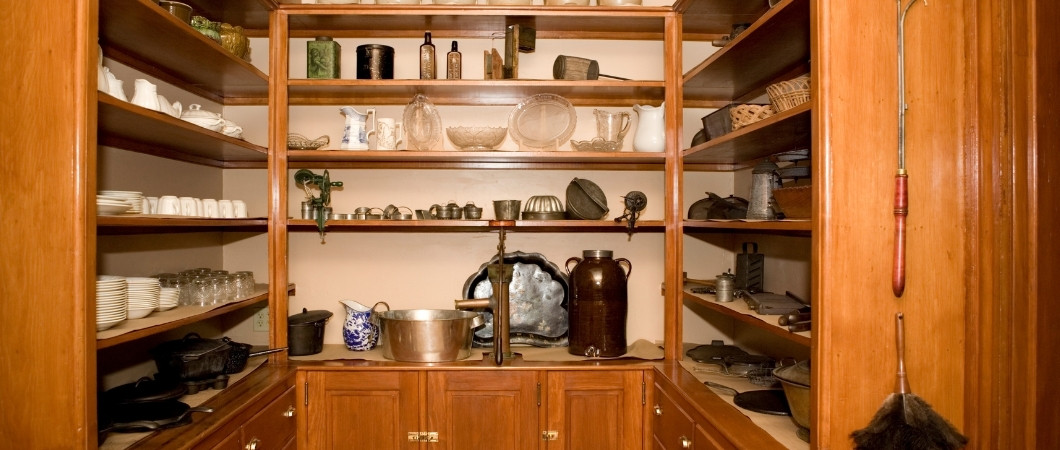
How to Declutter and Organize Your Pantry
May 22, 2026
Spring cleaning is mostly sorting. By the end of it, you have bags and boxes piled by the door, and most of what’s there isn’t actually trash. A surprising amount can be donated, even pieces most people assume are too worn or too specific to give away.
This guide walks through what to donate by category, what charities can’t accept, where to take it all in Southern California, and how free donation pickup works if you’d rather skip the trip.
A simple way to sort what you find
Before you start hauling boxes, set up four piles as you work room by room. The categories:
- Keep: anything you’ve used in the last twelve months or know you’ll need.
- Donate: items in working condition you no longer use, with no major damage.
- Recycle: electronics, paper, glass, and metal that no longer function.
- Toss: anything broken, soiled, expired, or unsafe to pass on.
Most people overestimate the toss pile and underestimate the donate pile. When in doubt, set the item aside and check the donation guidelines for that category below. Most people overestimate what needs to be tossed and underestimate what can be donated. When in doubt, set the item aside and check the donation guidelines for that category below.
What’s worth donating during spring cleaning
Clothing, shoes, and accessories
Closets are the biggest source of donatable items in most homes. Anything clean, intact, and free of strong odors works: jeans, work clothes, shoes with life left in them, jackets, hats, belts, and bags. Mismatched socks and worn t-shirts go to textile recycling at most Goodwill locations. Suits, ties, and dresses are in high demand at organizations that help people prepare for job interviews, though acceptance rules for clothing donations vary by charity.
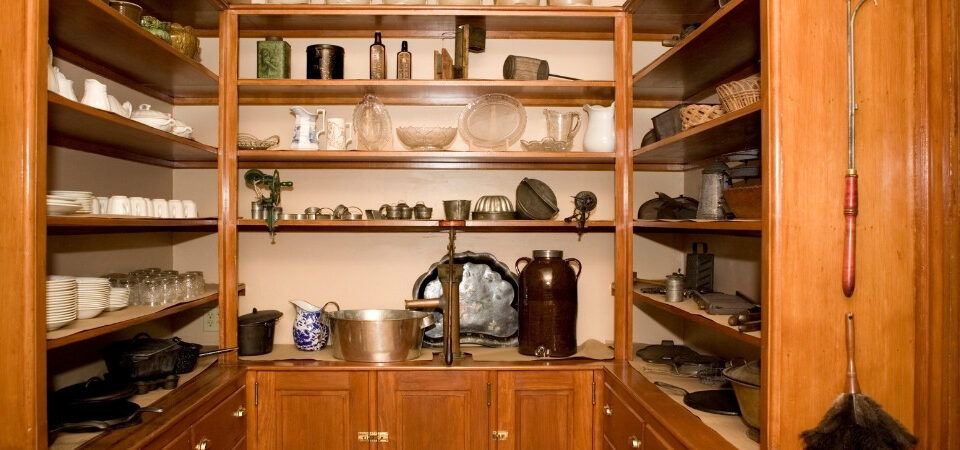
Kitchen items and small appliances
The cabinets and drawers usually turn up duplicate tools, mismatched plates, and small appliances that work but are never used. Donatable items include pots, pans, utensils, glassware, dish sets, blenders, toasters, coffee makers, slow cookers, and air fryers, as long as they work and have all parts.
For sharp items like knives, wrap them in cardboard before donating, and check which charities accept which kitchen categories before you load the car.
Furniture and mattresses
Furniture is one of the hardest categories to handle alone, which is one reason pickup services exist. Sofas, dining tables, dressers, bed frames, and bookshelves in good shape are widely accepted.
Mattresses are trickier: many charities won’t take them due to bedbug and sanitation rules, but a few will pick them up free if the mattress is clean, in plastic, and under a certain age.
Electronics and tech
Most working electronics under five years old can be donated: laptops, tablets, monitors, printers, speakers, gaming consoles, and small kitchen tech. Wipe personal data first. Old phones get refurbished for shelters and crisis lines at several national charity programs. Older CRT and tube TVs are a separate problem covered further down.
Linens, towels, and bedding
Sheets, pillowcases, blankets, and quilts in good condition are donatable. Towels with minor wear often go to animal shelters even if thrift stores pass. Pillows are accepted less often due to hygiene rules, but unused ones in original packaging are usually fine. Bedding donations follow similar logic: clean and intact items are accepted, while worn or stained pieces go to recycling instead.
Toys, books, and games
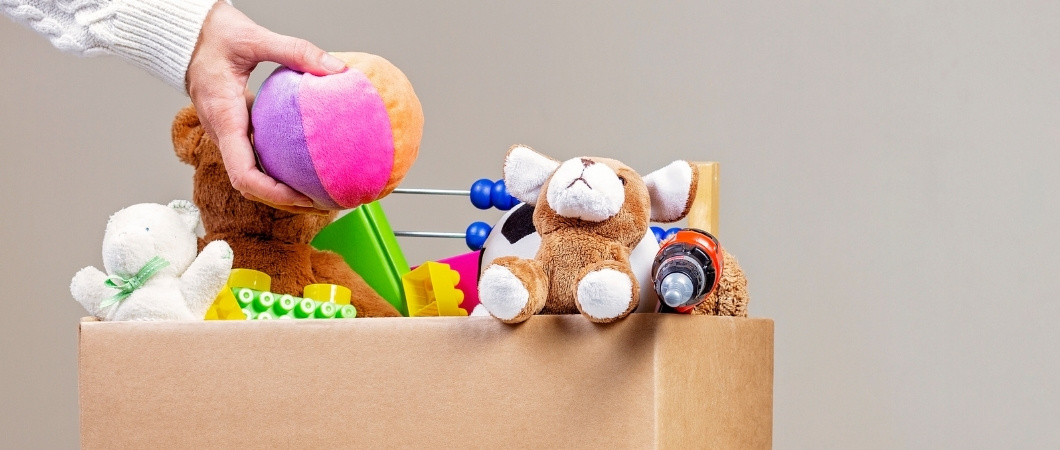
Kids outgrow things quickly, and most outgrown items are still in great shape. Plush toys, board games (with all pieces), puzzles, books, sports gear, and outdoor toys are all accepted at most thrifts. Stuffed animals are sometimes restricted due to allergen and washing requirements, so check first. Different programs prioritize different toy categories, from general thrifts to children’s hospital networks.
Sports and exercise equipment
Treadmills, weights, yoga mats, bikes, kayaks, baseball gear, and tennis rackets are all common spring cleaning finds. Most are accepted if they work and aren’t broken. Larger items like exercise machines often need pickup, and several SoCal charities specialize in fitness equipment given how often home gyms get upgraded or downsized.
Tools and garage items
Hand tools, power tools, gardening equipment, hoses, ladders, and unused hardware are accepted at Habitat for Humanity ReStore and similar charities. Anything with a frayed cord or visible damage should be repaired or recycled rather than donated.
Pantry items and unopened food
Going through the pantry usually means tossing expired items, but anything unopened and unexpired (canned goods, dry pasta, rice, peanut butter, shelf-stable meals) goes to local food banks. The LA Regional Food Bank and Second Harvest Food Bank of Orange County both accept drop-offs, with smaller pantries and shelters covering specific neighborhoods.
Items often forgotten
A few categories most people overlook, with where they typically go:
- Prescription glasses: Lions Club’s Recycle for Sight collects glasses at Walmart Vision Centers and local drop boxes. OneSight has collection bins at LensCrafters, Pearle Vision, and Target Optical.
- Unopened medical supplies: crutches, walkers, and similar equipment go to veterans charities and free clinics.
- Art supplies: unused or gently used materials find homes at school programs and community arts centers.
- Baby gear: strollers, clothing, and car seats within their expiration date, as long as nothing’s been recalled.
- Musical instruments: playable instruments are accepted year-round by student music programs and youth nonprofits.
- Craft supplies: schools, senior centers, and creative reuse stores accept unused yarn, fabric, beads, and tools.
What charities can’t accept
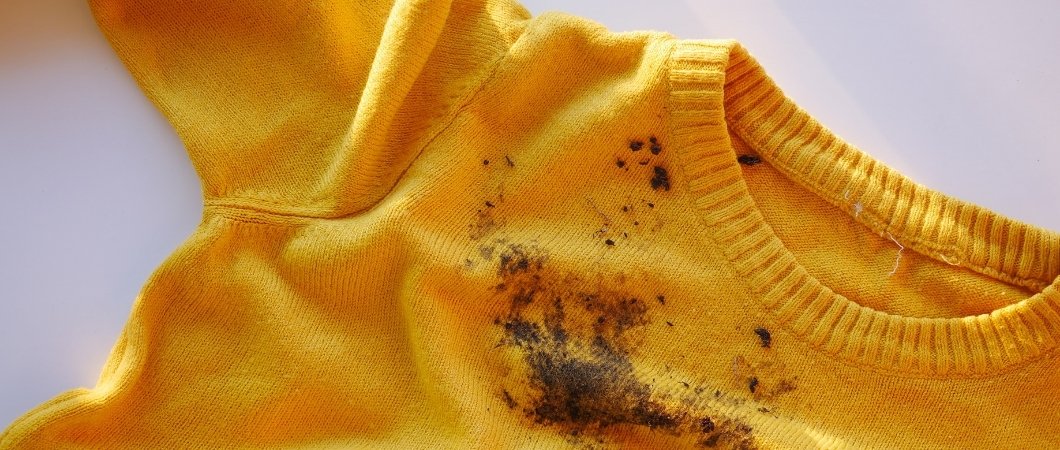
Most charities share a similar no-go list. Items they typically won’t take:
- Clothing with stains, holes, or strong odors
- Mattresses with bedbug history, stains, or rips
- CRT and tube TVs (most thrifts stopped accepting these because of the recycling and disposal costs involved)
- Recalled cribs, car seats, and baby gear
- Expired food, opened personal care products, prescription medication
- Damaged appliances or anything missing essential parts
- Open paint, household chemicals, motor oil, or pesticides
- Used helmets and safety equipment past their expiration
If something falls in the “definitely cannot donate” pile, check whether it can be recycled before tossing. California has dedicated recycling programs for paint, electronics, and most appliances through CalRecycle.
Where to donate in Southern California
A few of the major options across LA and Orange County:
- Easy Donation Pickup offers free pickup across Los Angeles and Orange County for furniture, clothing, household goods, and most everyday donations, with items benefiting veterans organizations.
- Goodwill Southern California has donation centers and stores throughout LA, Orange, San Bernardino, and Riverside counties.
- Salvation Army Southern California Division runs Adult Rehabilitation Centers that accept furniture, clothing, and household items.
- Disabled American Veterans (DAV) focuses on supporting veterans and accepts most household goods.
- St. Vincent de Paul has chapters in both LA and Orange County, with programs for furniture and clothing.
- Habitat for Humanity ReStore specializes in furniture, appliances, and building materials.
- Local food banks: the LA Regional Food Bank serves LA County, and Second Harvest Food Bank of Orange County serves OC.
If you have items spread across categories, LA County has dedicated household donation programs, and several SoCal charities offer free pickup for larger loads.
How free donation pickup works
If you’ve ended up with more than fits in your car, donation pickup is the easier route. The basics are similar across pickup services:
- Schedule online or by phone, usually 1 to 7 days in advance.
- Pack and label the items the night before.
- Place them outside (porch, garage, or curb) by 8:00 AM on the pickup date.
- The driver collects everything and leaves a tax receipt.
- You don’t need to be home.
Easy Donation Pickup runs free pickups across Los Angeles and Orange County, with donated items benefiting veterans organizations. EDP’s acceptable items list covers what gets picked up.
Other charities including Salvation Army, DAV, and Habitat for Humanity ReStore, also offer pickup with their own item rules and coverage areas, and free donation pickup is available throughout California through several services.
If you’re in the service area, you can schedule a pickup online.
Spring cleaning donation FAQs
Are spring cleaning donations tax-deductible?
Yes, if you itemize deductions and donate to a qualified 501(c)(3) charity. Most pickup services leave a receipt with the donation date and a list of categories. You estimate the fair market value yourself: see our charity tax deduction guide for details.
Do I need to be home for a free donation pickup?
No. Most pickup services collect items left outside by a stated time (8:00 AM is standard). The driver leaves a tax receipt at the door.
What’s the easiest way to donate large or heavy items?
Use a pickup service. Furniture, mattresses, and large appliances are difficult to load and transport on your own, and most services pick them up at no cost.
What if I have items that are too damaged to donate?
Recycle what you can through CalRecycle programs and dispose of the rest properly. Don’t drop damaged items at thrift donation bins, since charities pay to dispose of unaccepted donations.
When’s the best time to schedule a spring cleaning pickup?
March through May is the busiest pickup window, so book a few days out if you can. Weekday mornings tend to have more availability than weekends.
Get the donations off your hands
Once you’ve sorted everything, the next step is getting it where it belongs. You can drop off at any of the SoCal organizations above, or schedule a free pickup if you’d rather skip the trip.
If you’re in Los Angeles or Orange County, Easy Donation Pickup will collect everything from your door. Call 855-628-8387 or schedule online.