How to Declutter and Organize Your Pantry

What to Donate During Spring Cleaning
May 22, 2026
Pantries tend to fill up quickly, and cleaning them out from scratch can take one to two hours. Old spices, half-empty cracker boxes, cans you forgot you bought. It adds up over a year or two until the back of the shelf becomes a mystery zone.
This guide walks through 8 steps to clear out your pantry, plus what to do with the canned goods, dishware, and small appliances that come out of it.
If you’re in Los Angeles or Orange County, we can pick up the donatable items for free so you’re not making trips around town.
Why a pantry declutter is worth your time
Most kitchens hold three or four duplicates of something the owner forgot they already had. A second jar of cumin. Two bags of brown rice. Three half-finished bottles of soy sauce. Decluttering puts an end to the duplicate spending and the guesswork.
A clear pantry also keeps pests out. Mice, ants, and pantry moths thrive in cluttered shelves where spilled flour and old crumbs sit undisturbed. A clean, organized pantry is a less appealing target.
Cooking gets easier too. When you can see what you have, dinner planning takes minutes instead of a 20-minute scavenger hunt. Same with grocery lists. You’ll buy what you actually need, not what you assume you’re out of.
For Los Angeles and Orange County households, decluttering also opens up something useful: a chance to give what you don’t need to someone who can use it.
8 tips for decluttering your pantry
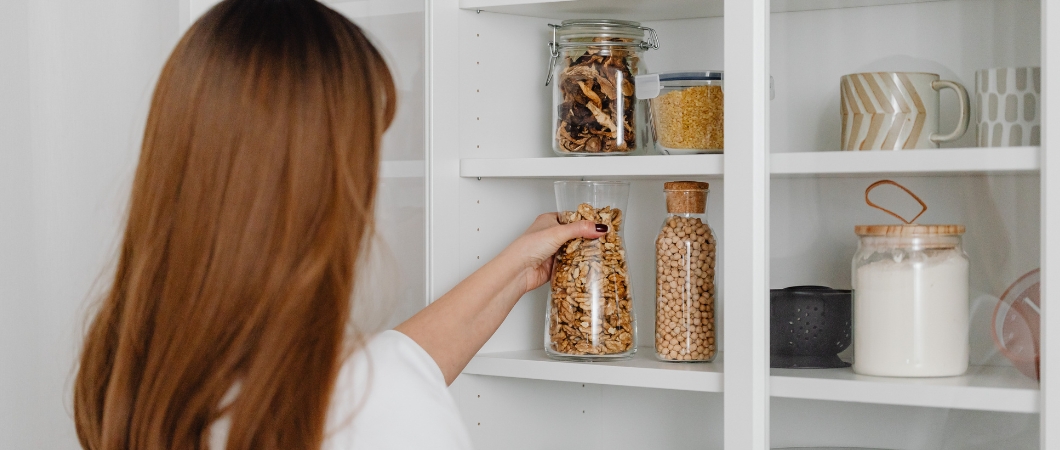
1. Empty everything out
Pull every item off the shelves before you start sorting. It’s faster than evaluating things one by one. Use the kitchen table or a clean stretch of counter as your staging area.
You’ll likely find things you forgot existed. Half a bag of dried lentils. A box of holiday cookies from two years ago. The jar of pickled jalapeños you bought for a recipe and never opened. Better to face the inventory all at once.
2. Toss anything expired or damaged
Check best-by dates and packaging condition on every item. Throw out:
- Anything past its date
- Cans that are dented along the seam, bulging, or rusted
- Boxes with rodent damage or holes
- Jars with broken seals or popped lids
- Packages that smell off when you open them
A bulging or leaking can might mean botulism, which is rare but serious. When in doubt, toss it.
3. Sort what’s left into three piles: keep, donate, recycle
Keep what you’ll actually use in the next few months. Donate items in good condition you no longer need. Recycle whatever’s clean but past its useful life.
The trick is being honest about what falls in each pile. If you haven’t touched the bread maker since 2019, it’s not getting used this year either. Same goes for the duplicate set of measuring cups.
We pick up donatable pantry food, kitchen tools, dishware, and small appliances. Anything one person can lift on their own qualifies. Check our full list of items we accept if you’re not sure about something.
4. Wipe down the shelves before reloading
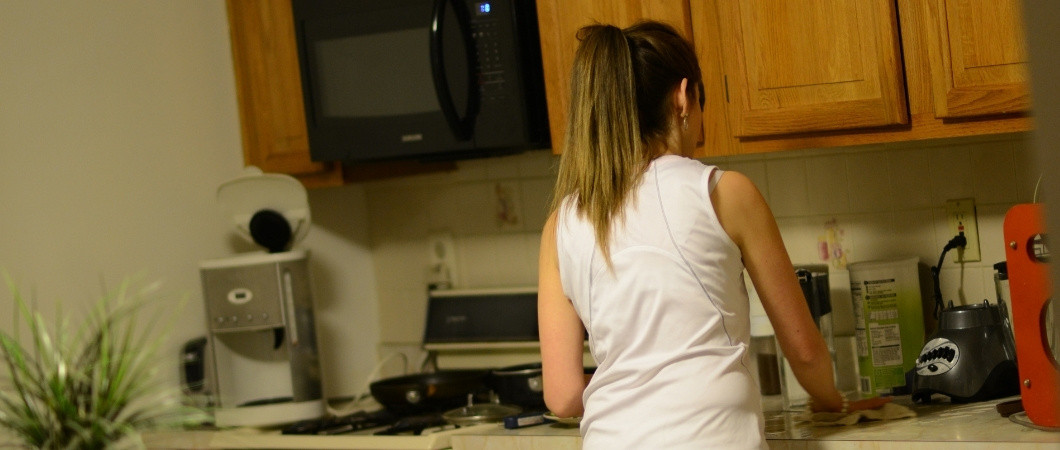
Vacuum or sweep loose crumbs first. Wipe shelves with mild soap and warm water. Let everything dry before putting items back.
Pay attention to the back corners and the seams where shelves meet the wall. Spills tend to hide there.
If your shelves are wood and they’re stained or warped, this is your chance to fix the lining before reloading. Shelf liner takes 10 minutes to install and protects the wood from future spills.
5. Group items by category and use clear containers
Decide on your categories before you start putting things back. A common setup: baking supplies, breakfast items, snacks, canned goods, grains, and condiments. Everyone in the house should know where each category lives.
Clear containers earn their cost. You can see when you’re running low on flour, rice, or pasta without opening a single lid. Airtight containers also keep pantry moths from getting into open bags of grains, which is a problem nobody wants to deal with twice.
You don’t need fancy containers. Glass jars from old jam or pasta sauce work fine after you peel the labels off.
6. Label your shelves while the system is new
Use sticky notes or removable labels for the first few weeks. They help everyone in the house put things back where they belong while the new layout is still settling in.
Once your family is reaching for the right shelf without thinking, peel the labels off. The system’s stuck. If things start drifting back to the old chaos, put the labels up again for another two weeks.
7. Use vertical and door space
Most pantries waste a lot of vertical room. Tiered shelf risers let you see the cans in the back row instead of just the front. Stackable bins double the usable space on a deep shelf.
Don’t sleep on the door, either. Over-the-door racks hold spices, oils, foil and plastic wrap, and small bottles. Walls work too. A few hooks can hold measuring cups, oven mitts, or aprons that were taking up shelf space.
Leave a few inches of breathing room everywhere. Crammed shelves are how clutter creeps back in.
8. Build a 10-minute monthly check-in habit
Once a month, scan your pantry for three things: items getting close to their best-by date, anything you haven’t touched since the last check, and staples running low that should go on the shopping list.
Ten minutes is enough. The point isn’t to redo the whole declutter every month. It’s to catch the small stuff before it builds back up into a full project.
Mark it on your calendar so it actually happens. The first of the month works for most people.
What pantry items you can donate
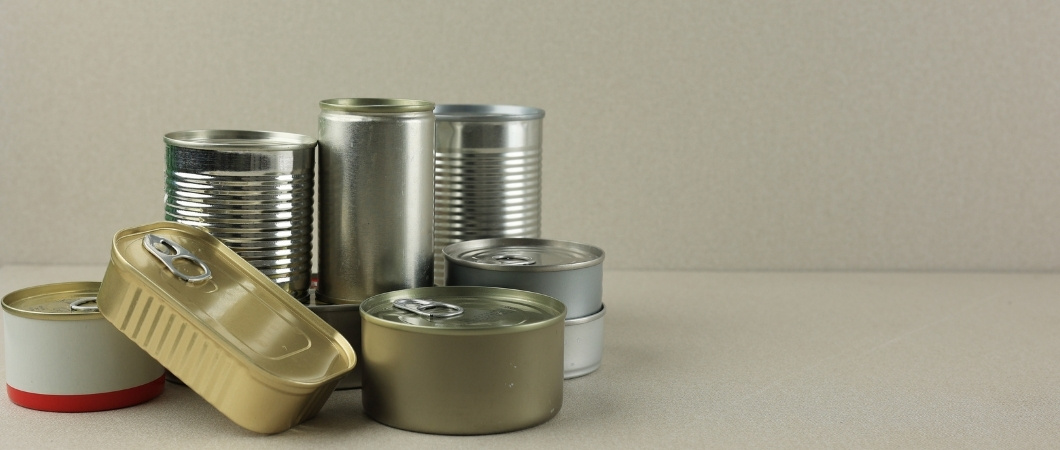
Donatable food has to be unopened, in original packaging, and well within its date. Damaged labels, dented seams, or anything past its date goes in the trash, not the donation pile.
Items that move quickly through donation pipelines:
- Canned proteins (tuna, chicken, beans)
- Peanut butter
- Canned vegetables and fruit
- Pasta, rice, and other dry grains
- Cereal and oatmeal
- Shelf-stable milk
- Cooking oil
Beyond food, your pantry probably holds non-food items worth donating: extra plasticware, paper towels, unused cleaning supplies, small appliances you’ve replaced. Dishware in good condition (no chips, no cracks) also gets a second life.
You have two paths for getting it where it needs to go. If you’ve got a small bag of canned goods and not much else, dropping it at a local food bank or pantry is the most direct route.
In Los Angeles, the Los Angeles Regional Food Bank distributes through a network of more than 600 partner agencies, and the SOVA Community Food & Resource Program runs pantries in Pico-Robertson and Van Nuys.
In Orange County, Second Harvest Food Bank of OC connects donors with around 300 partner pantries across the county (they don’t take direct drop-offs at their Irvine headquarters, so use their site to find a partner near you).
If you’ve also got dishware, kitchen tools, or small appliances along with the food, we can pick up the whole donation in one trip and route everything to National Veterans Foundation (NVF).
For canned goods specifically, our full guide on donating canned food covers the details.
Handling what charities won’t accept
Some pantry items have nowhere to go but the trash, recycling bin, or compost. Here’s the breakdown:
- Expired food: compost what’s compostable (rice, bread, oats, produce scraps), trash the rest
- Glass jars and aluminum cans: rinse and recycle curbside in most LA and OC neighborhoods
- Plastic containers: check the resin code on the bottom; most curbside programs take #1, #2, and #5
- Broken ceramics or chipped glassware: trash, not curbside recycling
- Opened bags of dry goods you won’t finish: compost grains and flour, trash the rest
If you’re not sure what your local recycler accepts, your city’s sanitation website lists the specifics.
How we pick up your donations

Easy Donation Pickup is free across most of Los Angeles County and Orange County. We cover the major population centers in both, from Long Beach, Pasadena, Burbank, and the Westside down through Anaheim, Irvine, Santa Ana, and Huntington Beach. Here’s how it works:
- Schedule a pickup online or call us at 855-628-8387
- Pack your donations in bags or boxes
- Place them outside your door by 8:00 AM on your scheduled date
- Our crew picks everything up and leaves a tax receipt at your door
You don’t need to be home. We pick up anything one person can lift on their own, including pantry food, dishware, kitchen tools, small appliances, clothing, toys, and furniture. Items go to National Veterans Foundation (NVF).
For more on what to expect, see how the pickup process works.
Pantry decluttering FAQ
How often should I declutter my pantry?
A 10-minute scan once a month, plus a full declutter every six to twelve months.
What’s the difference between best-by and sell-by dates?
Best-by is the manufacturer’s estimate of when the food’s quality starts dropping (taste, texture). Sell-by is for the store, telling them when to pull it from shelves. Neither is a safety deadline for most shelf-stable foods, though food banks treat them as one and won’t accept past-date items.
Per the USDA Food Safety and Inspection Service, these dates indicate quality, not safety, except for infant formula.
Where can I donate pantry items in Los Angeles or Orange County?
In LA, the Los Angeles Regional Food Bank and SOVA Community Food & Resource Program are two of the largest networks.
In OC, Second Harvest Food Bank of Orange County operates a partner network of around 300 local pantries. For larger donations that include kitchen tools, dishware, or small appliances along with food, we cover most of LA and OC.
What’s the fastest way to declutter a pantry?
Empty everything out, toss what’s expired or damaged, and sort the rest into keep, donate, and recycle piles. Most pantries take one to two hours.
Ready to clear out your pantry?
When your donation pile is sorted, schedule a free pickup online or call us at 855-628-8387. We cover most of Los Angeles and Orange County, and we’ll take everything one person can lift in a single trip.