
Why Can I Donate Electronics, But Not A TV?

Check Out These 10 Spring Cleaning Tips
June 11, 2020
Where to Donate Sports Equipment With Free Pickup
November 13, 2020
Did you buy a new phone recently? How about a laptop, printer, or toaster? We are continually upgrading the electronic devices at home because of malfunctions, quality, or because we want to treat ourselves with a better, improved model. But what do we do with the old ones?
Before you throw them into the trash, consider donating or recycling your old electronic gadgets. Donating means you will save space in your home and make someone else very happy with your old device.
While you can donate all kinds of electronics, TVs are an exception for many good reasons.
Why Donate Electronics?
There are multiple incentives to donate your old electronics other than TVs, and here are some of them.
Donating Electronics Is Easier Than Ever
There are many ways today to donate your old or unwanted electronic devices.
You can find a certified facility that will know how to recycle your device’s materials properly, so they don’t become harmful to the environment. Some municipalities will gladly take your electronic gadgets.
Some manufacturers offer special take-back programs to reuse your old device when you buy a new one.
They Securely Delete Your Data
Reputable donation centers and e-waste recyclers know how to destroy data safely and securely. First, they strip off magnetic fields and then physically destroy the device to prevent your old data from future access.
You have probably heard stories about people who dump devices containing personal information and later discover that their information is in use by someone else. When you donate, be sure the center is a reputable, well-known recycler to ensure your data is 100% deleted.
Old Devices Contain Precious Metals
While old electronic devices are not gold mines, they contain rare metals. Did you know that every 1 million mobile phones contain 33 pounds of palladium, 772 pounds of silver, 75 pounds of gold, and 35,000 pounds of copper?
The recycler can melt down and reuse the metals for new devices. Throwing away electronics is like throwing away a valuable piece of jewelry.
Someone Else Might Need Your Device
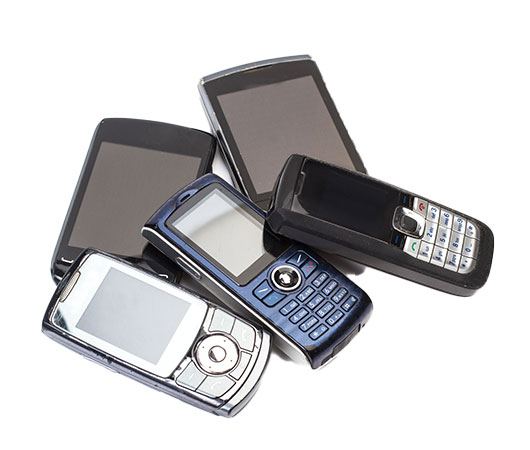 If your coffee maker, toaster, phone, or laptop is in good condition, why throw them away when there is someone who can use them? Donated electronics transfer to the reuse market, including schools, underprivileged families, or charity organizations. By donating your device, whether that is a small kitchen appliance for cooking or an old laptop for preparing school presentations, you are helping make someone’s life easier.
Throwing Away Some Devices Is Illegal
In some places, throwing away your electronic devices is a crime. Many cities in the U.S. consider it against the law to throw old phones and computers into the trash. It is illegal, for example, to throw away e-waste in California. The state provides free recycling events for consumers to recycle their e-waste.
The problem is in the potential toxins that electronic devices release — they can harm the environment and impact our health. Dumping e-waste is becoming a big problem, and many organizations are fighting to restore people’s awareness and convince them to consider electronics donation or recycling.
Reducing Environmental Damage
By donating or recycling your electronics, you play a part in ensuring your device does not end up in a landfill. Electronic devices that end up there may cause environmental damage and affect the nearby community’s health. Keep in mind that it could damage your community as well.
Get an Ego Boost
Doing good is fun, but it also makes you feel good about yourself. It motivates other people, such as your friends and family to follow your steps and donate as well.
When you are donating electronics, you protect the environment from harmful materials, look after your community, and help those in need. You will feel like a superhero by dropping off your old electronic devices to an unprivileged family, school, or charity organization.
Where To Donate Electronics?

There are tons of charitable organizations and facilities that will help put your old electronics to use.
Goodwill
Get in touch with your local Goodwill and see if they are part of the e-recycling program.
If they are, you can donate electronics to Goodwill (considering your devices are in working condition). If they aren’t, the organization will recycle them through their partners.
Donate to Schools
Laptops, tablets, and DVDs allow schools to improve their educational programs and interact with students. Check with your local schools for their policy on receiving old electronics and discover whether they accept donations.
Give to Homeless Shelters
Homeless shelters may use electronic devices for families and individuals who face home eviction. If you are interested in donating your old electronic gadgets, contact the local homeless shelter for their current needs, and find out what they require.
Tips for Donating Electronic Devices
If you like the idea of donating your old electronics instead of throwing them into the trash, here are a few tips you might find helpful.
Delete Your Data
Any organization or facility that accepts electronic device donations will take care of data by deleting it permanently. If you want to be extra careful, delete it yourself before donating.
Contact the Organization/Facility Before Donating
Most charity organizations accept donations of any kind, including small kitchen appliances, smartphones, laptops, or tablets. To ensure they need such devices, though, contact them before donating and inform them of the device’s condition.
Include Accessories
Before you donate, do not forget to include product accessories, such as chargers, add-ons, and extra attachments.
Why Can’t You Donate Your Old TV?
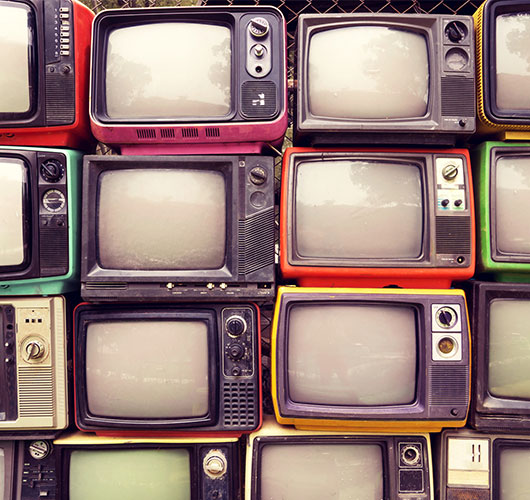
Some electronic devices contain harmful substances and toxic materials, including cadmium, mercury, lead, and beryllium. Donating such devices is a big issue.
Televisions pose a unique problem, especially the ones with heavy and bulky cathode-ray tubes (CRTs), also known as picture tubes. A cathode-ray tube is the video display part, which is common in TVs and old computer monitors. The EPA encourages reuse as an ethical way to manage CRTs, but if that’s not an option, recycling and disassembling the valuable materials is the right thing to do.
Due to the lead presence in the glass, cathode-ray tubes are considered harmful waste under the Resource Conservation and Recovery Act. One CRT contains around 1.5 kilograms of lead and has immense health and environmental impact. When disposed of in depots or landfills, the CRT glass makes its way deep into the soil. Once CRTs break into pieces, their lead particles pollute the soil, water, and air.
CRT televisions are one of the hardest types of waste to recycle. For every CRT television in the trash, we face an alarming amount of harmful waste, and here is why:
- High Lead Content — Lead in a CRT monitor can be as high as 20%. Allowing this amount of lead to seep deep into the water systems and soil can be hazardous to human health.
- CRT TVs Contain Mercury — Considering that mercury doesn’t break down, a CRT monitor may remain in a dump and damage the community for years. One drop of mercury can infect more than one million gallons of water. Mercury also reacts with oxygen and may pollute the air we breathe.
- CRT TVs Contain Cadmium — Cadmium is an easily absorbed substance. It quickly spreads and damages the water systems and soil. Cadmium, like mercury and lead, has been linked to human diseases, including kidney failure, cardiovascular diseases, and several cancers. The worst part is that it is slowly biodegradable, so that it may pollute the environment for a long time.
What is the best option? How can you donate or recycle your old TV without harming the environment?
How To Dispose of Your Old CRT TV Properly
Only California-based facilities that have been approved by the Department of Toxic Substances Control can handle CRT TVs. Many reputable and approved waste collectors or recycling organizations deliver their CRT TVs to facilities for 100% secure destruction. At these facilities, the TVs are disassembled into raw components and divided into separate groups. The harmful materials undergo special treatment, while the harmless materials are sorted for future reuse and further improving.
Many cities across the U.S. hold open recycling days where you can drop off your old TV or donate electronics to the community free of charge. If you accidentally miss those days, get in touch with the town and arrange someone to pick up the items from your home. There may be a fee for this service, depending on the size and type of electronic device.
A Final Word
While it is easier than ever to donate electronics, the rules do not apply to TVs, especially CRT TVs. Cathode-ray tubes contain a plethora of toxic substances that are concerning for the environment and human health.
When left in the open, the lead from CRT TVs can end up in the soil, water systems, and contaminate the air. The best way to dispose of your old TV is to consult with the local recycling facility, and they will give you further instructions.