How to Declutter and Organize Your Pantry
May 22, 2026
Easy Donation Pickup is now serving the Dallas-Fort Worth area
July 16, 2026
This is a Keep, Donate, or Toss guide for the stuff that ends up in attics. It’s written for the homeowner mid-cleanout, with boxes on the floor and a decision to make for every single one.
Most attic organization guides come from storage companies. That works out for them when you keep more. We run a free donation pickup service in Los Angeles and Orange County, so we see what people end up parting with every day. The pattern is consistent. Most attic stuff falls into three piles: keep, donate, or toss. Knowing which pile each item belongs in is the whole job.
The five categories below cover what actually fills a typical attic. Each one gets criteria for the three piles, plus named charities for the donate items. Real orgs in LA and OC, not generic “your local thrift store” filler.
The keep, donate, or toss triage
Before you touch anything, here’s the rule for each pile.
Keep is for things you’ve used in the last year, or items with genuine sentimental value that have a planned spot once stored. The “planned spot” part is the constraint most people skip. If something is worth keeping, it’s worth a place.
Donate is anything in usable condition that someone else could realistically benefit from. Quick test: would you pause and think about it if a friend asked to borrow it? If yes, it’s still useful enough to donate.
Toss is broken, soiled, expired, recalled, or beyond repair. Also anything that’s been in the attic 10+ years without you thinking of it once. If you didn’t remember it existed, you don’t need it back.
Clothes and textiles
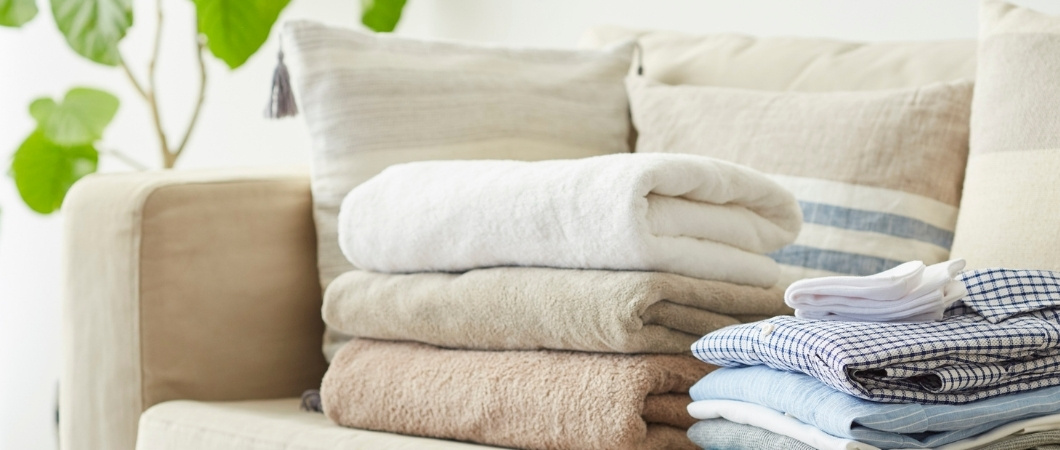
Attics collect clothes the way drains collect hair. Out-of-season wardrobes, kids’ outgrown clothes saved for the next sibling, formal wear from weddings past, linens from when you had more guests. It piles up.
Keep: Items you’ll wear again, or pieces with sentimental value tied to a planned use. The suit for the next family wedding. The quilt your grandmother stitched.
Donate: Anything clean and gently used. If it would embarrass you to put it on, it’s not donation grade. If it would only embarrass you because the style is dated, it’s perfect for a thrift store.
Toss or recycle: This is where most people get it wrong. Stained, moth-eaten, or shrunk-beyond-fit clothes don’t have to go to the curb. They have a textile recycling path. Easy Donation Pickup takes some damaged clothing for recycling, and dedicated textile recyclers do the same. Default to recycling, not the curb.
For the donate pile, EDP picks up clothes for free across Southern California. Some of the suburban areas that we serve are Anaheim Hills, Cypress, and Huntington Beach.
Drop-off alternatives include Council Thrift Shops (NCJW|LA, seven LA-area locations with pickup available), St. Vincent de Paul of Los Angeles, and Goodwill of Southern California.
Holiday and seasonal decor
This category fills most attics. Christmas decorations, artificial trees, Halloween costumes, fall foliage picks, wreaths, garlands, seasonal table linens. The volume sneaks up on you because everything only comes out once a year.
Keep: What you used in the last two years. The one-year rule is too strict for seasonal items. Two years gives a fair test of whether it’s earning its spot.
Donate: Working lights (test the strand before you pack it), intact ornaments, costumes in good shape, trees with all their branches.
Toss: Anything broken or unsafe. Damaged lights are a fire hazard. Cracked ornaments are a cut waiting to happen.
One catch most guides won’t tell you: thrift stores don’t restock holiday decor in the off-season. Donating a fake tree in February usually means it gets refused. For Christmas items, the donation window runs roughly October through early December. Halloween decor goes earlier, since stores phase it out by October. Plan around the season the items come out in.
For deeper guidance, see our post on donating Christmas decorations. For everything else seasonal, schedule a free pickup and we’ll handle it.
Old toys and baby gear
Strollers, high chairs, board games, plush animals, kids’ clothes outgrown two siblings ago. This category gets emotional fast.
Keep: Items reserved for a known future use, like a niece due next month or a planned next pregnancy. Everything else gets a 12-month review. If nobody touches it by then, it goes.
Donate: Clean, complete, current-safety-standard items.
Toss: Missing parts, broken plastic, anything with an active federal safety recall.
Two honest notes for this category. Baby2Baby is the LA name people think of, but their public-donation policy is mostly new items only: diapers, wipes, formula, hygiene products, and new clothing. Used clothes are accepted only through their organized clothing drives, and they don’t take used toys from individuals.
That’s where Easy Donation Pickup comes in. We pick up baby clothes, toys, and small baby gear at no cost even if it’s used, as long as it is in good working condition. See the full accepted items list, or read our guide to donating baby items in California.
Drop-off alternatives: Council Thrift Shops (NCJW|LA) and Orange County Rescue Mission. The LAFD Spark of Love drive runs late November through December for new toys.
Sports and recreation equipment
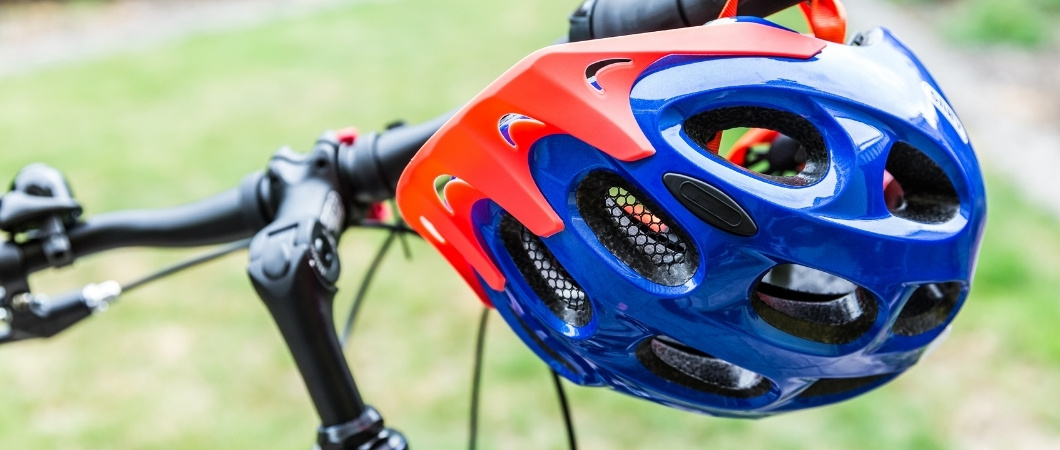
This is where good intentions go to die. The treadmill bought in January and stored by April. The tent that hasn’t seen a campsite in eight years. The bike that fit when the kids were ten. The yoga mat from that one phase.
Keep: Gear you’ll use in the next 12 months.
Donate: Bikes that roll and brake. Helmets within their safety lifespan. Tents with all their poles. Working gear in safe condition.
Toss: Cracked helmets past their date, rusted gear that’s seized, anything missing parts.
Worth noting: Most manufacturers recommend retiring bike helmets after 5 to 10 years, sooner after any impact. An expired helmet goes in the toss pile, even if it looks fine.
The donate path splits by size. EDP picks up small, carriable equipment (dumbbells, balls, bats, rackets, small benches). Our guide to donating exercise equipment in Southern California has the full breakdown.
Gear2Give in Orange County connects youth sports teams with donated gear, including cheer and dance. GOALS, also in OC, runs adaptive sports programs in Anaheim, Placentia, and Huntington Beach.
For treadmills, ellipticals, and large multi-gym systems, Habitat for Humanity ReStore or Salvation Army are the right call.
Electronics
Old TVs, monitors, retired phones, cables that go to devices you no longer own, broken laptops, VCRs that haven’t worked in two decades. Electronics are where most attic cleanouts hit a wall.
Keep: Working electronics you’ll genuinely use again in the next 12 months.
Donate: Working phones, tablets, small kitchen appliances, working stereo gear.
Toss or recycle: Anything broken. Anything with a CRT. All flat-screen TVs and large monitors, regardless of working condition, go to e-waste, not donation.
EDP doesn’t pick up TVs. They contain hazardous materials and require certified e-waste handling. We wrote a full post on why.
For TVs and large monitors, the CalRecycle eRecycle directory is the state’s official lookup for certified e-waste collectors by county. LA County also runs free HHW/E-Waste Roundup events (800-98-TOXIC). In OC, Goodwill of Orange County recycles electronics including TVs.
One last thing: wipe your devices before you donate or recycle. Factory reset is the floor. For sensitive data, drive-shred services exist.
What about the keep pile
You’ve made it through. Half the attic is in the donate pile, some went straight to the curb. Now the keep pile needs a system so you don’t end up here again next year.
A few rules that work:
- Clear plastic bins, not cardboard. Cardboard wicks moisture and rodents love it.
- Airtight lids for anything textile or paper.
- Label on the side, not the top. Top labels disappear once you stack.
- Group by season or use, not alphabet. Holiday with holiday, camping with camping.
- Anything temperature-sensitive (photos, electronics, leather, vinyl, candles) does not belong in an unconditioned attic. Move those to an interior closet.
Make a yearly habit of it. One hour, every spring or fall, on a single zone. Same triage. Stops the rebuild.
Schedule a free pickup
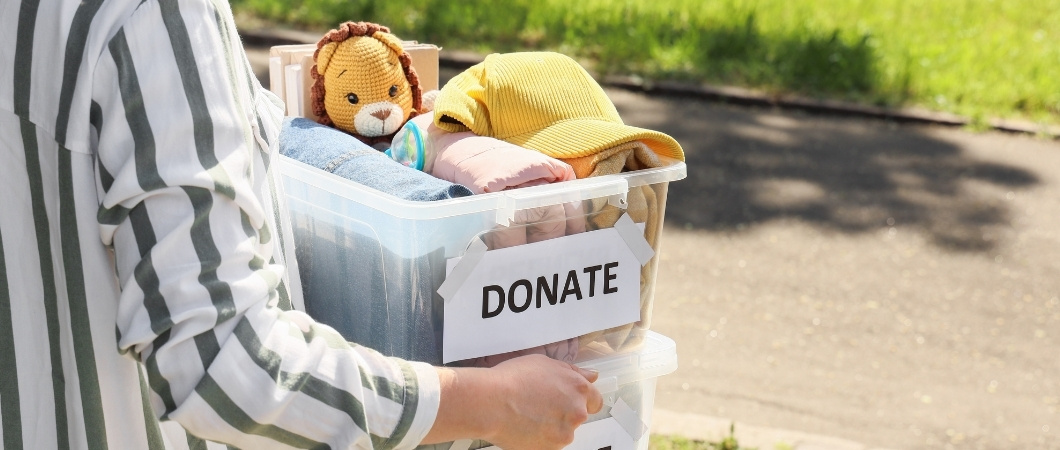
Done with the donate pile? Easy Donation Pickup runs free donation pickup throughout Los Angeles and Orange County. Schedule online or call 855-628-8387. Place your items outside on the scheduled day. We’ll show up rain or shine and leave a tax receipt at your door. No need to be home.
Your donations support the National Veterans Foundation‘s vet-to-vet crisis helpline, housing assistance, and employment resources for America’s veterans.