
The Best Veterans Charities To Donate Your Time and Money To

The Best Way To Pack Books: Preparing for Moving or Storage
August 16, 2023
The Cheapest Way To Get Moving Boxes: Tips and Tricks
September 21, 2023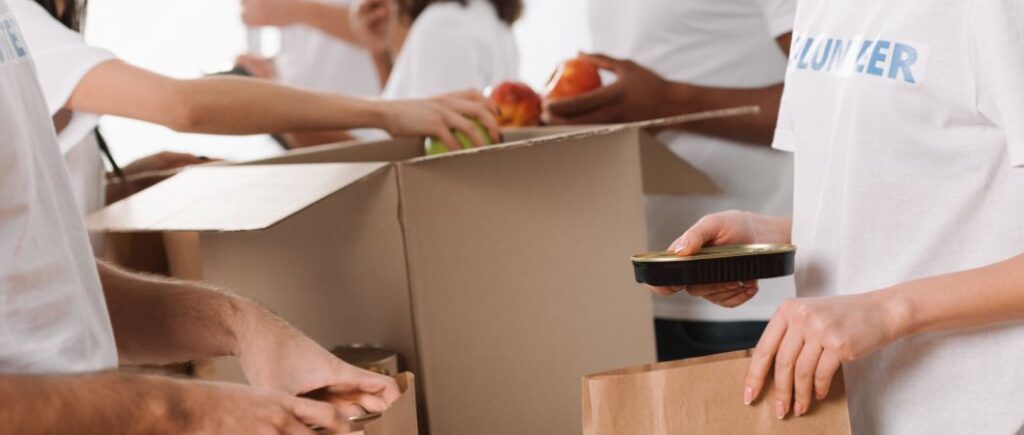
Most civilians cannot fathom the aftermath of military service. Many veterans come home and find it difficult to adjust to their new lives. Others live with PTSD and other mental health issues or struggle financially.
Veterans charities provide support for veterans and their families in times of need. A wide array of veterans charities offer financial, employment, and housing support.
These charities can’t run on their own. They rely on generous donors like yourself to keep going.
Understanding the Need
According to the National Veterans Foundation, out of the 2.5 million Americans who served in the wars in Iraq and Afghanistan, one out of five have post-traumatic stress disorder, major depression, or a traumatic brain injury. This is why charities that help veterans are so essential.
You can get involved by donating money, volunteering with an organization, or donating materials.
Selecting Reputable Organizations
The good news is that there are plenty of non-profit charities for veterans to get involved with. The bad news? This means there’s more research you need to do. Selecting a reputable organization is important to avoid scams. You want to know exactly where your money is going.
Aside from avoiding inauthentic organizations, consider what you value. Choosing a focus can help narrow your options for charities. Do you want to help with housing? Mental health? Employment?
Find an organization that is trustworthy, impactful, and focuses on what you care about. The volume of options may still be overwhelming. Refer to the list below for some of the best options for veterans charities.
10 Best Veterans Charities

Choosing one charity when there are so many great ones is hard. Find some of the best veterans charities narrowed down below.
National Veterans Foundation
The National Veterans Foundation (NVF) specializes in:
- Crisis management
- Informational needs
- Referral needs
The NVF offers services to all U.S. veterans and their families. They use a vet-to-vet helpline, public awareness campaigns, and outreach programs to support veterans. The NVF provides military members and their loved ones with food, transportation, clothing, and employment.
They also offer mental health services like PTSD counseling and suicide intervention.
K9s for Warriors
K9s for Warriors helps both veterans and dogs in need. Many service members struggle with mental health issues when they return home. Service dogs can ease this transition and provide support.
K9s for Warriors rescues dogs from kill shelters and pairs them with veterans to give both parties a second chance. They dedicate themselves to ending veteran suicide and advocating for invisible disabilities.
The Semper Fi & America’s Fund
Founded in 2003 by a group of military spouses, the Semper Fi Fund gives financial assistance to veterans who return with combat wounds, significant injuries, or critical illnesses.
Families shouldn’t have to worry about medical bills on top of their existing stress, so the Semper Fi Fund eases that pressure. The Semper Fi Fund also offers housing assistance and emotional recovery for veterans and their loved ones.
Fisher House Foundation
Many veterans return home and struggle to find adequate housing. The Fisher House Foundation assists veterans and their families by providing housing for them near military and veteran health centers.
Proximity to health centers makes it easier for veterans to get the necessary medical care. Further, if they need to stay in the hospital, their families have a place to stay close by.
The Fisher House Foundation offers Hero Miles, hotels, and accommodations for veterans who need to travel.
Homes for Our Troops
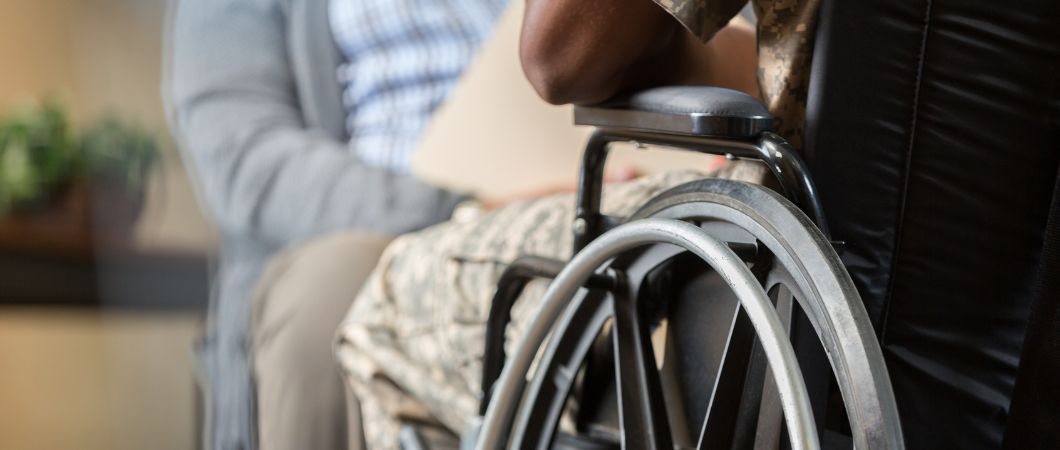
Some veterans suffer injuries that leave them permanently disabled. This drastically changes the way they live their lives when they return home. Homes for Our Troops works to assist disabled veterans by providing them with homes with the accommodations they need.
The organization started in 2004 and offers mortgage-free custom homes to disabled veterans returning from Iraq and Afghanistan.
Gary Sinise Foundation
The Gary Sinise Foundation, named after its founder, provides assistance to veterans, first responders, those on active duty, and family members. Gary Sinise is an actor and musician who believes in the importance of gratitude and support for our nation’s heroes.
The foundation funds a variety of programs. R.I.S.E., for example, offers mortgage-free housing to veterans. The foundation’s Community Outreach and Education program bridges the gap between military and civilian communities, establishing much-needed connections.
Hope For The Warriors
A group of military wives started Hope For The Warriors in 2006. They offer various programs to help post-9/11 war veterans and their spouses adjust to civilian life.
Hope For The Warriors offers programs for:
- Education
- Health and wellness counseling
- Career transitions
- Sports and recreation
- Community building
They strive to help veterans and their families restore their sense of self.
Tragedy Assistance Program for Survivors
The Tragedy Assistance Program for Survivors, or TAPS, is a long-running phone line for veterans or family members who lost someone to war. The 24/7 helpline can assist children, young adults, and veterans who struggle emotionally or mentally.
TAPS also offers care groups, seminars, online communities, and peer mentors as avenues for support.
Wounded Warriors Family Support
John Folsom, a retired U.S. colonel, founded Wounded Warriors Family Support in 2003. War doesn’t just traumatize military veterans; it traumatizes their families, too. Wounded Warriors Family Support acknowledges this through different programs and services.
WWFS offers retreats, caregiver respite, veteran training, and custom vehicles for wounded veterans and their families.
Bob Woodruff Foundation
The Bob Woodruff Foundation supports veterans, military families, and caregivers through financial support and assistive programs. It tackles issues like veteran homelessness and emergency assistance.
The Bob Woodruff Foundation dedicates itself to groundbreaking research on how military service impacts fertility, military children’s mental health, and food insecurity among veterans and their families.
Donation Methods

Once you’ve narrowed down which charity you want to contribute to, you need to decide how you want to contribute.
You can make cash donations immediately on most charity websites. You should be able to choose the exact dollar amount, though some have a minimum. When donating, you usually have the option of making a one-time or recurring donation.
If you want to make a larger contribution, consider including a charitable gift in your estate plan. You can name an organization as a beneficiary of a trust or otherwise give your assets to a charity of your choice.
If you don’t have the money to spare, you surely have items around your house you don’t use anymore. There are plenty of veterans charities that pick up donations, including AMVETS, The Purple Heart Foundation, Vietnam Veterans, and more.
Regardless of the donation method, be sure to keep a record of it. Depending on the size of your donation, you might be able to deduct a percentage of your taxable income for your charitable donation.
Support Beyond Donations: Volunteering Opportunities
These charities need more than just funding. They need volunteers to continue essential programs and services.
K9s for Warriors, for example, has opportunities for volunteers to host their own fundraising events. Another option, aside from donating a lump sum, is sponsoring one of their K9s. These dogs require special care and training before they’re paired with a veteran.
The Semper Fi Fund also values its volunteers. You can host or attend an event, participate in a marathon, or even volunteer from your computer at home.
The Fisher House Foundation offers similar opportunities, whether through athletic events, or organizational giving. They also encourage volunteers to hold live-streaming events and Facebook fundraisers.
These are just a couple of examples of volunteer opportunities — they’re everywhere! Find the organization you’d most like to work with and research the opportunities available.
Impact of Support
The numbers don’t lie. These charities are making a difference:
- 95% of veterans who received an adapted home-from-home for our Troops saw a decrease in household stress
- The Gary Sinise Foundation has provided 1,000,550 meals to veterans around the country
- In 2022, TAPS provided support to over 100,000 military survivors
Donate to Non-Profit Charities for Veterans
Now that you have information about some of the best veterans charities, you can move forward with your donation efforts — whether you want to offer money, time, or other methods.
Putting your time and money where your values are is important. Supporting our veterans is just one way to do this. To learn more ways you can offer support, contact Easy Donation Pickup at (855) 628-8387, or schedule a pickup online today.