

Donating to Churches vs. Donating to Charities
September 22, 2023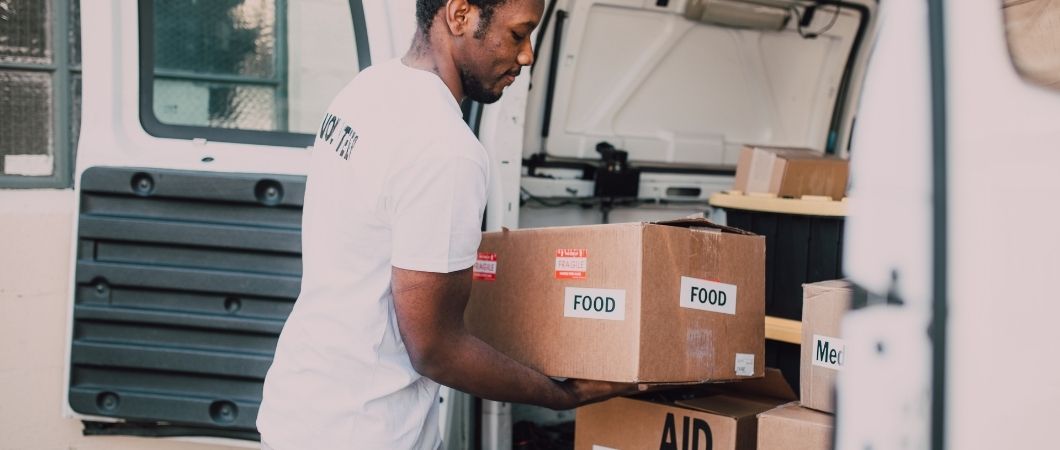
Who Offers Free Donation Pickup in California?
October 27, 2023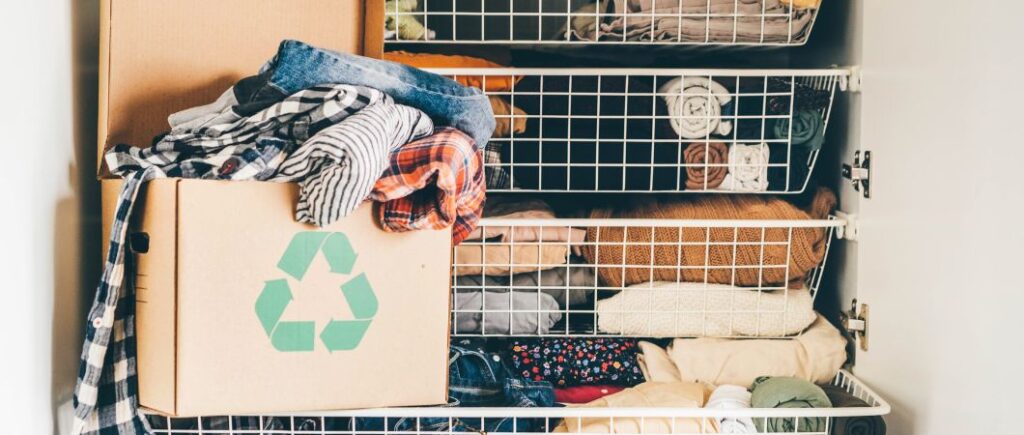
That pile of old clothes sitting at the bottom of your closet — you know the one — doesn’t have to end up in a bigger pile at a landfill. Just because your clothes are no longer on trend doesn’t mean they no longer have a purpose.
Textile waste is extremely damaging to the environment. A lot of textile waste is the result of simple misinformation. So, how is clothing recycled?
Easy Donation Pickup is here to explain how clothing is recycled and how you can give your clothing a new life through donation and clothing recycling.
How Are Our Clothes Recycled?
How many times have you rifled through your closet and come up frustrated, huffing, “I have nothing to wear”? Yet, you let the clothes you haven’t worn in years sit in your home. These clothes not only take up unnecessary space but also prevent people who could benefit from these clothes from having them.
What about all of those times you stained your clothes, and even the strongest stain remover couldn’t help? Do you throw the garment away without a second thought?
There’s another option: recycling. There are two primary ways to recycle clothing: clothing donations and textile recycling.
Clothing Donations
When you have clothes that you no longer wear but are still suitable for others, you can donate them to a local non-profit, church, or consignment shop. This exchange is a win-win. You free up space in your closet, and your gently used clothes go to others who need them.
When you donate your clothes to any donation center, the first step is collection. You’ll either drop off your clothes, or a service will pick them up. Then, the staff at the center will sort through your items. They set aside clothes that they can resell or donate to shelters or people in need while sending soiled, ripped, or otherwise unwearable clothing to the trash.
Textile Recycling
When you donate clothing unsuitable for wearing to a donation center, it will ultimately end up in a landfill. You might wonder what your other option is, then. Aside from donations, how is clothing recycled?
The answer: textile recycling. Textile recycling is the process of breaking down textiles (fabrics) for other uses.
Similarly to the donation process, textile recycling begins with collection. The two main categories of textile recycling are pre-consumer and post-consumer. If you’re looking to donate your used clothing, look for post-consumer textile recycling opportunities.
On the other hand, if you have a retail or manufacturing company that wants to recycle leftover scraps or unused inventory, those are pre-consumer textiles.
Collections for post-consumer textiles happen through donation bins and company programs. As for pre-consumer textiles, recycling programs collect them from participating businesses. This may include:
- Hotels
- Manufacturing companies
- Healthcare facilities
- Retail businesses
Then, the staff sorts textiles by color and material. They shred the material and spin it into yarn or use it as stuffing for furniture and other items. These materials then turn into things like:
- Carpet padding
- Rubber mulch
- Automotive materials
- Housing insulation
What Clothing Can Be Recycled?

There is a common misconception that you can’t recycle most clothing materials. This just isn’t true. In fact, 100% of textiles are recyclable. However, some are harder to recycle than others.
So how is clothing recycled? Clothing made of synthetic fibers is the easiest to recycle. Recyclers use thermomechanical processing to break the material down. They process and clean the yarn before spinning it into something new.
Natural fiber clothing is more complicated. Recyclers need to dry and shred them before compressing them into materials like plastic, UV protectants, and colorants.
So if you’re staring at a clothing item and wondering if it is recyclable, the answer is yes. Recycling centers accept:
- Undergarments
- Shoes
- T-shirts
- Socks
- Pants
- Scarves
- Dresses
- Jackets
- Jeans
- Ties
Recycled textiles and donated clothes are both much better options than your clothing ending up in a landfill.
Why Is Clothing Recycling Important?
According to Earth.org, manufacturers produce 100 billion tons of garments every year. Ninety-two billion tons of those garments end up in landfills, contributing to the textile waste crisis. Most textile waste comes from clothing and footwear.
What’s so bad about this clothing sitting in a landfill? Natural fibers take several weeks to several years to break down, emitting methane and CO2 all the while. Synthetic textiles do not decompose. Instead, they sit in landfills, releasing toxic substances into the land. This has devastating environmental effects.
A lot of this waste is the result of fast fashion, which is the overproduction of clothes to appeal to current trends.
When you recycle your clothing instead, you protect the environment from this impact. It prevents textiles from polluting the nearby water and soil.
When you donate your clothes, you are helping your community. Most donated clothing goes to members of the community who need it most.
Recycling Programs

Recycling programs collect and recycle pre-consumer and post-consumer textiles. Many programs work directly with brands like The North Face or Patagonia to collect their textile waste.
As for post-consumer textiles, you can find recycling programs around you to donate items to. Note that when you’re donating textiles, they should always be clean and dry. If you donate wet textiles, they will send them to a landfill, as it poses a risk of spreading bacteria.
Unfortunately, you cannot simply recycle clothes by placing them in your regular recycling bin. You’ll need to find a recycling program in your area.
Ideas for Repurposing Clothing
If you want to take a DIY approach to recycling your clothing, you can try repurposing it instead. This involves using the material from clothes you no longer wear to perform a new function. For example, you can use cotton shirts as cleaning rags.
Similarly, you can use just about any fabric in a craft project:
- Turn your dress into a pillowcase
- Transform your old jeans into a denim headband
- Use your old shoes as planters
Donating Clothes to Charities

Clothing donation is an ideal way to recycle clothing that others can appreciate. Many charities do regular clothing drives. Usually, charities target a demographic of those in need, like unhoused people, veterans, or impoverished families.
When you donate to charities, make sure you look at their donation guidelines beforehand. Some only take specific items, while others are open to almost anything. Additionally, some have specific guidelines for dropping off or collecting donations. Some have drop-off locations with particular hours, while others allow you to schedule a free pickup.
Scheduling a Free Pickup With Easy Donation Pickup
Donating your clothing has never been so easy. Remember that pile of clothes in your closet? All you need to do is pack it up, schedule a free pickup, and wait.
Easy Donation Pickup collects donation items from people like you and then uses them to support veterans and their families. We collect items from 8:00 a.m. to 5:00 p.m. Check our list of accepted items, and you can easily schedule the time that works for you online.
When you pack your items, please mark them with “NVF”, so we know we’re collecting the right boxes.
How is clothing recycled? It’s a long process, but it all starts with you. Take the initiative to help your community and your environment, and schedule a free pickup today.