What You Should Know About Donating Clothes in 2024

How To Maximize Space in a Small Room | Enhance Your Space
April 15, 2024
What Is Microvolunteering? Everything You Need To Know
May 24, 2024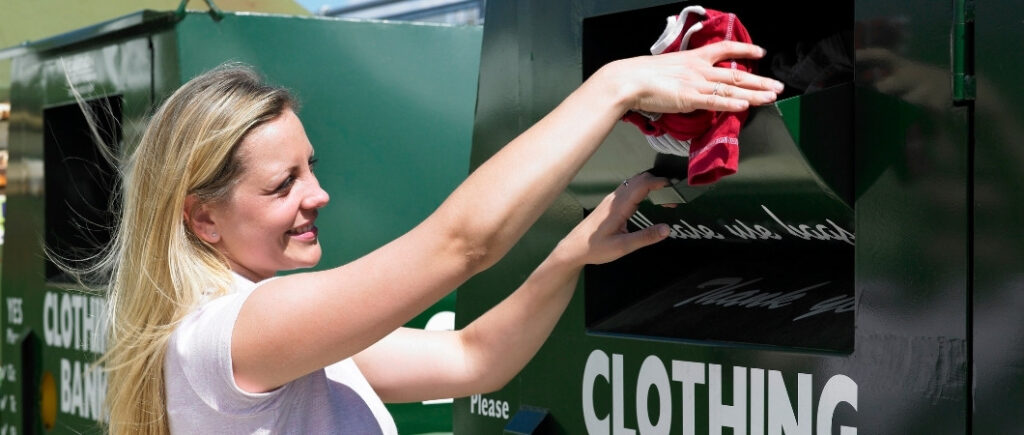
Do you have piles of clothes in great condition, some still with tags, sitting in the back of the closet? Remember those shoes you only wore once because they’re a bit tight? Consider donating them. It will benefit people in need, free up space in your home, and keep textile waste out of landfills. Win-win-win!
Before you start filling boxes with items to give away, go over the following clothing donation guidelines. It will make life easier for you and those who will ultimately sort through your donation.
Clothing Condition Guidelines
First, the clothes you donate should be in good condition. No one wants to receive torn, stained, or unusable clothes. Such items are much better candidates for textile recycling. You can also repurpose used clothes as craft materials or cleaning rags.
Cleanliness and Hygiene Standards
Basic cleanliness is the first non-negotiable among clothing donation requirements. If the clothes are clean but musty after sitting in the closet too long, run them through a quick wash cycle or air them well. Clean shoes and bags with a soft, damp cloth to remove any accumulated dust.
Absence of Stains, Tears, or Significant Damage
Clothing donation guidelines usually specify that rips, tears, stubborn stains, and other visible signs of damage disqualify items from donation. When unsure about clothing donation standards, consider whether you’d be happy to receive the item in this condition if you needed it.
Functional Fastenings
Make sure all the zippers work and all the buttons are present. Sometimes, it’s worth repairing a valuable item with a minor flaw (e.g., an expensive jacket with a stuck zipper). Otherwise, send unusable clothes to the recycling pile.
Accepted Clothing Items

Every charity has its clothing donation policies. However, these are the typical rules for accepted clothing donation items.
Clean and Gently Used Clothing
It’s worth stressing again: Any clothes you give away should be clean and in good condition. With some exceptions, like vintage leather items, this means clothes that haven’t seen a lot of wear. Clothes that are stretched and faded from washing are unsuitable for donation, even if they’re still usable.
Season-Appropriate Attire Accessories (Shoes, Belts, Hats, Etc.)
Many guidelines for donating clothes don’t mention this, but giving away items according to season is strongly preferable. Most charities don’t have enough space to store donated items for months, and the recipients typically need clothes they can wear right now. Divide your clothes into cold-weather and warm-weather piles (coats and knitted garments vs. short-sleeved shirts and capris) and donate them separately.
Unused or New Clothing Items
Maybe you have clothes you ordered online in the wrong size and didn’t bother returning or bought impulsively and never wore because they don’t match your style. Unused items with tags are a great fit for donation.
Prohibited Items
Let’s mention a few items you should never donate. Please don’t include these in your donation boxes or bags since this will only create more work for the volunteers weeding out unacceptable items.
Undergarments and Intimate Apparel
Undergarments you no longer need belong in the recycling bin, even if you only wore them a few times. However, many charities will accept unused underwear and socks in the original packaging.
Clothing With Offensive Language or Imagery
Please refrain from donating clothes that display controversial statements, political slogans, profanity, or embarrassing images. Some people can view these as extremely offensive. Neutral items that could fit a wide range of people are much more acceptable.
Heavily Damaged or Soiled Items
All donated items should be clean. Please avoid donating heavily damaged clothes since they will end up in the trash anyway. Instead, look up sustainable recycling or creative repurposing options for these items.
How Should Clothing Donations Be Sorted and Prepared Before Donating?
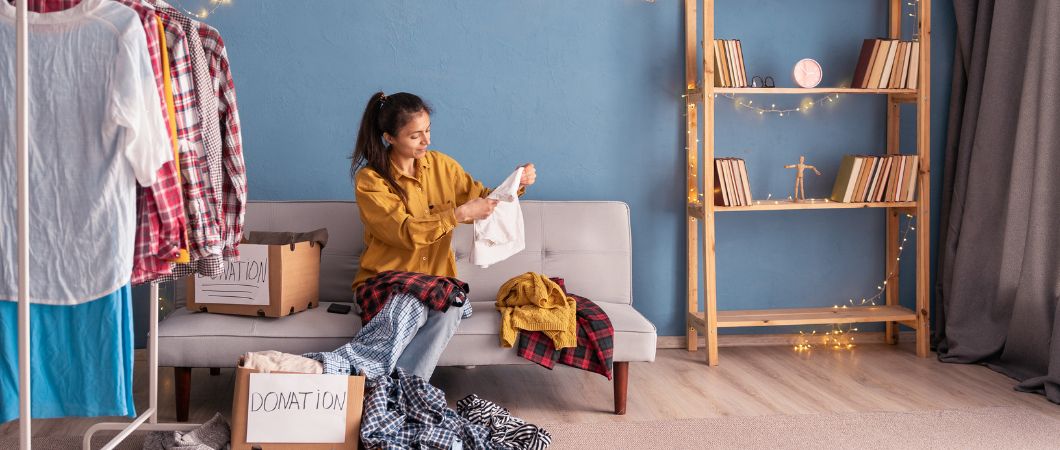
When discussing clothing donation guidelines, we should also mention preparing items for donation. Remember, the volunteers responsible for sorting and distributing donations do lots of hard work on their own time. The following points will make donation processing easier.
Sort Clothing by Type and Check for Stains, Tears, or Damage
If you have many items to give away, sort them by type, such as sweaters in one box, pants in another, etc. You could also separate everyday clothes like jeans and T-shirts from high-end items like formal suits and evening dresses. As you sort the clothes, double-check that all items are in good condition and free of rips, scuffs, stains, and other damage.
Laundering or Cleaning As Needed
The clothes on your closet shelves are probably clean but may still need a short wash cycle for freshening up if they’ve been sitting there unused for years. Run the items through a heavier washing cycle if you notice any dirt or stains from imperfect storage conditions.
Gently clean shoes, boots, bags, and accessories. Avoid donating clothes or accessories with stains that won’t come off, even if the items are in otherwise good condition.
Folding or Packing Neatly
Before you place items in the donation box, check their pockets. You may discover cash, keys, and even jewelry you’ve forgotten about. Make sure to remove any pins or other sharp objects that could hurt the people sorting through the clothes.
Fold clothing items and place them neatly on top of the other. Pack shoes in an orderly way, preferably in their original box if you have it. This will save space and make it easier to transport your donation. Also, label each box clearly so volunteers can quickly sort through your items.
Consider Cultural and Religious Sensitivities
Apart from technical clothing donation guidelines, keep in mind that you don’t know who the recipient might be. It’s important to ensure that your donation boxes don’t contain any potentially offensive or triggering items.
Modesty and Cultural Norms
Everybody has different opinions on modesty and what’s acceptable to wear. However, if you know your donation would likely go to a conservative community, you may consider putting aside items that are too revealing or otherwise inappropriate.
Avoid Religious Symbols
Clothing bearing religious symbols is something you’d better avoid altogether when preparing items for donation. Stick to items without any specific religious context.
Respectful Handling of Culturally Specific Garments
Some clothing items bear a lot of cultural significance. Festive ethnic clothing, prayer shawls, or garments associated with specific holidays or rituals may be out of place in a general donation pile. If you’re unsure whether or where to donate a meaningful item, it might be better to give it away individually.
How Should Shoes and Accessories Be Handled for Donation?
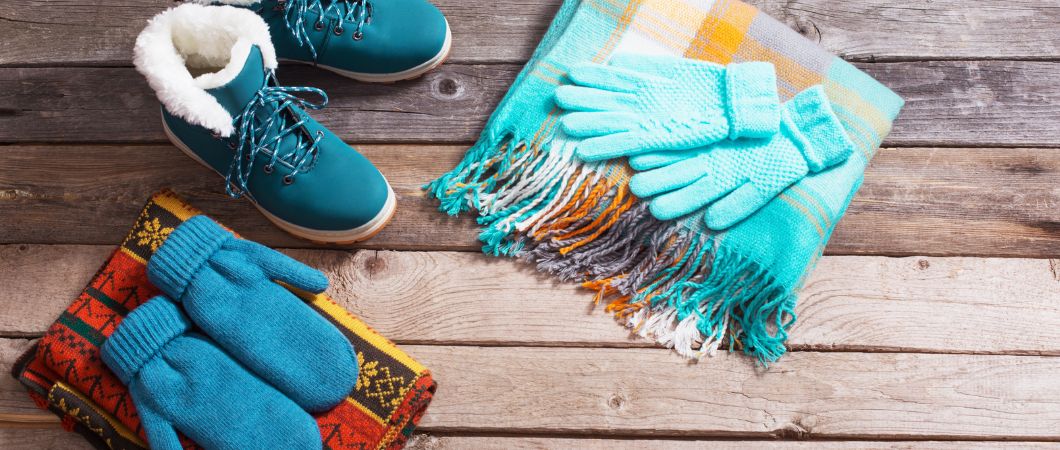
You may donate not only clothes but also shoes, belts, handbags, scarves, hats, jewelry, and other accessories in good condition. You need to make sure your items are fit to wear and well organized.
Ensure Shoes and Accessories Are Clean, Functional, and Wearable
When packing shoes for donation, inspect both the upper part and the sole. Remove any debris or dirt stuck in the crevices and confirm that the sole isn’t peeling off. Use shoe polish to remove minor scuffs that make shoes unsightly.
Check bags for any rips or holes in the inner pockets. Clean the accessories with a damp cloth if necessary, but dry them before packing.
Sorting Accessories by Type (e.g., Hats, Scarves)
As with clothes, if you’re giving away a large pile of accessories, sort them by type. Place hats in one box or bag, shoes in another, and so on. Pack jewelry in a way that prevents it from tangling or breaking.
Organizations Offering Donation Pickup Services
Many organizations accept gently used clothes to distribute to people in need. However, some charities may request that you drop off your donation in person. If that doesn’t work for you, look into charities that will pick up your donation at no cost. Check each charity’s clothing donation guidelines, as the rules may differ between nonprofits.
Goodwill
Goodwill is a well-known nonprofit operating across the U.S. Goodwill accepts gently used clothing in good condition, as well as shoes, gloves, scarves, and other accessories. Keep in mind that not all branches offer home pickups, so check this option with your local Goodwill.
The Salvation Army
The Salvation Army accepts donations of used clothes and either sells these items in the organization’s thrift stores or distributes them for free to struggling people. The proceeds from sales fund the nonprofit’s various charitable programs. You can search by ZIP code to check whether The Salvation Army offers pickups in your area.
Vietnam Veterans of America (VVA)
The VVA is a national charity serving veterans and their families. The nonprofit sells donated clothing items to thrift stores and uses the proceeds to sponsor its outreach programs. Contact your local VVA chapter to find out how to schedule a donation pickup.
Easy Donation Pickup
Easy Donation Pickup is a charity partnering with the National Veterans Foundation. We operate in Los Angeles and Orange County, CA, and accept clothes, shoes, and accessories in good condition. All you have to do is schedule a pickup and leave your boxes or bags in a visible location outside.
Local Charities and Nonprofits
Small local charities, nonprofits, and religious centers may also offer hassle-free donation pickups. You can look up your local nonprofits and ask whether they offer home pickup.
Community Impact of Donations

Something as simple as donating used clothes can make a tremendous positive impact on your community. It doesn’t cost anything, and you only need to put in a bit of effort to arrange your donation.
Support for Individuals in Need
Even inexpensive new clothes may be beyond the reach of those dealing with financial hurdles, homelessness, or displacement after a natural disaster. Buying clothes for fast-growing babies or young children can also be a challenge for families. Your gently used items can help support people who are currently struggling.
Sustainability and Environmental Benefits
A clothing donation can give your items new life and keep them out of landfills. Textile waste is incredibly toxic and often non-biodegradable. Giving away usable clothes is a far more sustainable solution than the trash bin or even recycling.
Economic Impact on Local Communities
Nonprofits will typically either distribute used clothes to people in need for free or sell them for a fraction of a new item’s cost. The proceeds from these sales can sponsor counseling, job placement, rehabilitation programs, and other life-changing services for people in your community.
What Volunteer Opportunities Are Available for Clothing Donations?
Knowing you’re making a positive difference is tremendously satisfying. You may decide to donate not only your used clothing items but also your time and effort by becoming a volunteer.
Many nonprofits operate on a tight budget and rely on volunteers. You could check with your local charities to find out whether they need more working hands. Often, you’ll discover that there are plenty of opportunities for volunteering in your area.
Sorting and Organizing Donated Clothing
Sorting and distributing donated items involves a lot of work. Moreover, even though nonprofits usually publish clear clothing donation guidelines, some people may mistakenly donate unacceptable items that the charity will have to dispose of.
You can volunteer to sift through donated items, sort them by condition or type, or organize them on shelves. By doing this, you ensure donated clothes go to good use.
Assisting With Donation Drives or Events
You could also offer to pick up donated items and deliver them to thrift stores or distribution centers. Many people would love to donate clothes and other items if they could count on hassle-free pickup, so volunteering helps your local nonprofit get a steady stream of goods.
If you have a flair for organizing events, you may also put this skill to use for the community. For example, you may help arrange an open-air sale of used clothing or other goods, with all proceeds sponsoring a worthy cause.
Opportunities for Community Engagement and Involvement
Volunteering for a nonprofit that accepts clothing donations could also help you get involved directly with your local community. For instance, if you work in a thrift store or warehouse that distributes used clothes, you’d interact with people who come looking for items.
You could make a real difference in these people’s lives by helping them find the goods they need without spending a lot of money. Fairs and other community events can also give you an opportunity to form local ties in your neighborhood or town.
What Should Donors Know About Tax Deductions for Clothing Donations?
Tax deductions may not be the first thing on your mind when giving away old clothes to a nonprofit. After all, it’s not like you’re donating cash, right? Nevertheless, if the clothes you’re giving away are in sellable condition, you may be able to claim this sum as a tax deduction.
You’ll need to make a list of your donated items and specify the approximate value of each item. When doing this, consider how much money your items could realistically sell for in a thrift shop. Add it up to estimate how much money your donation is worth.
You can only claim this type of deduction when donating to a qualified tax-exempt organization that follows IRS rules. Most reputable charities fall under this category. Make sure the nonprofit issues a written letter acknowledging your donation. If you aren’t sure whether your donation is tax-deductible, check out the guidelines on the IRS website or consult a tax professional.
Donate Used Clothes and Accessories With Easy Donation Pickup
Are you ready to donate your gently used clothing, shoes, or accessories? Simply sort your items according to the clothing donation guidelines you just read, schedule your pickup, and leave your boxes or bags outside where we can see them. An Easy Donation Pickup volunteer will collect your donation to benefit Los Angeles and Orange County veterans.