How To Donate Toys and Unwanted Stuffed Animals

How to Get Companies to Donate to Your Charity
February 21, 2023
Where To Donate Strollers: Everything You Need To Know
March 20, 2023
Are you cleaning out your closets or planning to get rid of the toys your kids have outgrown? Many people just throw their gently used playthings in the trash. However, a better option might be to donate them for someone else to enjoy.
You may wonder, “Where can I donate used children’s toys?” In this article, the experts at Easy Donation PickUp share answers to this and other important questions related to toy donations.
Where Can You Donate Used Children’s Toys?
You have numerous options when it comes to finding organizations that accept toy donations. Below are some of the most common places to send your no-longer-needed stuffed animals, electronics, plastic toys, board games, etc.
Charities
You can donate used toys to local charities like resale stores and organizations that support military families. Local charities may distribute your donations directly or sell them to raise money for community outreach. Either way, your charitable gifts make a difference!
Preschools
Another popular place to donate used toys is your local school — specifically, preschools. Preschools or nursery schools help children discover the joy of learning and develop a framework for intellectual growth. Playing with stuffed animals and educational toys is a big part of helping kids grow.
Keep in mind that many preschools will not accept used toys. However, some may if you donate used toys in good condition. It’s always a great idea to call ahead to confirm that they accept donations.
Local Shelters
Most people think of Goodwill resale stores or The Salvation Army thrift stores when it comes time to donate used toys, forgetting about local shelters. Children’s homes and women’s shelters help provide for local families, domestic violence survivors, and individuals in need. Many have children with few (if any) toys.
In addition to bedding, clothing, food, and other necessities, you can donate stuffed animals and gently used toys to shelters. We recommend contacting them to find out which donations are most helpful.
Religious Centers
Religious organizations like churches, synagogues, and mosques often have toy drives and accept donations. Many religious organizations offer childcare services for a wide age range, including infants and grade schoolers. If your local church isn’t accepting donations currently, it can likely point you to a few drop-off locations that are.
Daycare Centers
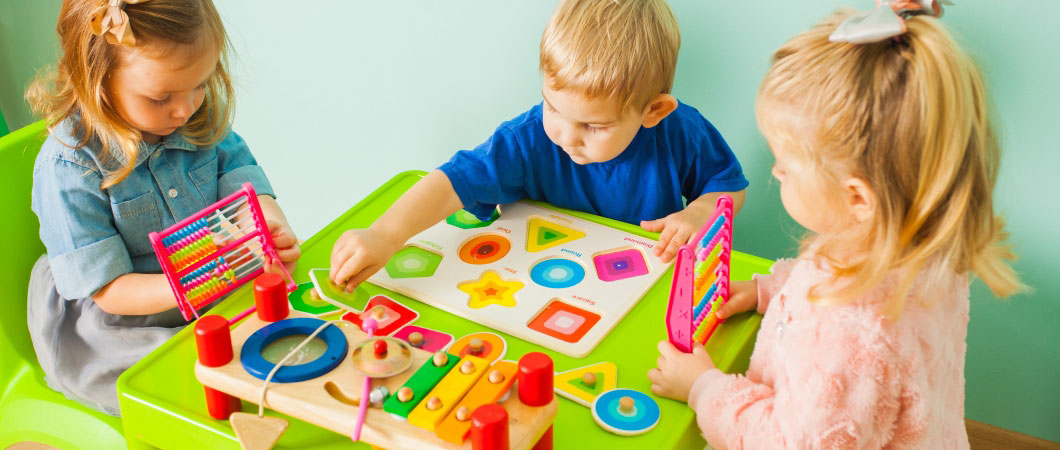
If you’re looking to give a gently used toy new life, consider donating it to a local daycare center. Toys are always in high demand at a daycare facility. An alternative is to contact parents in your community and ask whether a family member could use some more toys.
Hospitals
Hospitals typically accept toy donations with one caveat: They must be new toys. Health and hygiene are the top priorities in a hospital setting, and old toys could be hazardous. The stuffed animals you see at your local hospital were likely still in their original packaging when people donated them.
That said, some local hospitals will accept gently used or good-as-new toys. You might find information about donations and toy wish lists on your local children’s hospital website.
Healthcare Practices
You know those toys in the waiting rooms at the dentist or local doctor’s office? Someone probably donated them. Healthcare professionals often use toys to entertain kids while in the waiting room or as a reward after certain procedures. Double-check with the healthcare practice you’d like to donate toys to, and see what toys they need.
Recycling Programs
Recycling programs are an excellent option if your old toys can’t find a home elsewhere. Instead of throwing away broken, soiled, or worn-out items, you can send them to a recycling center to help the environment.
Here are three popular recycling services accepting toy donations:
- TerraCycle
- RoadRunner Recycling
- Polycarbin
Police and Fire Departments
Police and fire departments are probably not the first places you picture when you think of donating stuffed animals. Firefighters and local police officers often carry stuffed animals thanks to Stuffed Animals For Emergencies (SAFE). The Stuffed Animals For Emergencies program uses stuffed toys to help comfort younger children in traumatic incidents.
Libraries
Libraries accept more than book donations — many take gently used toys for lending programs. Some libraries also have children’s areas where youngsters can enjoy reading and playing in a comfortable environment. Contact your local library to familiarize yourself with policies for donating new and used toys.
Why Should You Donate Used Children’s Toys?

Tossing out your child’s unwanted toys might seem like the best option initially. However, going the extra mile to donate gently used toys is worth it. Donations benefit you and everyone around you in many ways, including the following:
- Decluttering your home: Parents know how quickly toys can pile up. Even if they don’t get strewn about your house, they take up a lot of space in closets and drawers. By donating household toys, you can instantly declutter your home.
- Teaching your child empathy: One of the greatest life lessons you can teach your child is empathy. When you encourage your youngster to donate, you model thinking of other children and their needs. It’s a mindset that will follow them into adulthood and help make the world a better place.
- Helping a child in need: Millions of children worldwide live in poverty. Toys are a luxury for those concerned about food, water, shelter, and safety. By donating to a local chapter of The Salvation Army or Second Chance Toys, you can help needy children.
There’s more to donating used children’s toys than freeing up space in your home. Your trash could be a treasure for less fortunate children. By donating, you also instill healthy principles that last a lifetime.
List of Charities That Accept Used Children’s Toy Donations
Donating old toys isn’t as complicated as you might expect. Typically, any place that accepts your clothing and shoe donations will also take your used toys. The following are a few nationally acclaimed charities accepting toys:
- The Salvation Army
- Goodwill
- Toys for Tots
- Second Chance Toys
- Cradles to Crayons
Dos and Don’ts for Donating Used Toys
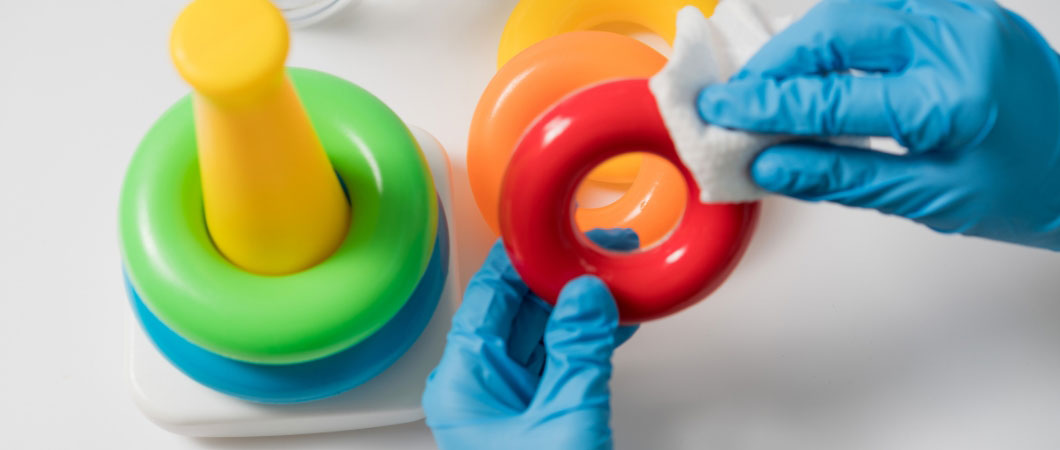
While charities and local organizations may accept used toys, they likely have a well-established system for receiving donations. You can’t donate anything in any condition at any time. As you consider donating used children’s toys to a local store, here are some dos and don’ts to keep in mind.
Do Clean and Disinfect Toys Before Donating
Something you should always do before donating your children’s toys is clean them. Scrape off the gunk, clear away the stains, wipe them down, and disinfect them. After that, you’re ready to ask, “Where can I donate used children’s toys?”
Cleaning and disinfecting used playthings before donating them is critical for multiple reasons. First, it makes them presentable and ready to use. Second, it prevents harmful bacteria and disease-carrying germs from spreading to other members of your community.
Do Sort Toys by Age and Category
Toys come in all shapes and sizes. Some are for older children with active lifestyles, while others are perfect for infants and toddlers developing fine motor skills. You’ll want to sort the toys by age and category before dropping them off at a donation site.
For example, you can put stuffed animals in one box and electronics in another. You could also have boxes labeled “plastic toys” or “toys for girls.” Categorizing your donations will help avoid complications and ensure the process goes as smoothly as possible.
Do Check for Broken or Missing Pieces
Have you ever purchased an item only to find it didn’t work right or needed something extra? Maybe you didn’t notice the battery compartment was corroded until you opened it, or maybe the toy was lacking an essential part. Nobody wants to buy a toy that’s broken or missing pieces.
Don’t Donate Broken, Defective Toys

You should avoid donating toys that are damaged or have parts that don’t work correctly. Local organizations want to provide quality products and services that meet a certain standard, and broken toys won’t make the cut. Your best bet is to send the donations to a local recycling service or put them in the trash.
If you’re unsure whether your used toys still work, test them. Plug them in, turn them on, mess around with the settings and functions, check for damage, etc. Testing your children’s items before you donate can save everyone a lot of time and frustration.
Don’t Donate Toys With Missing Parts
Is your child’s old teddy bear missing a nose? Does the tricycle you want to donate need a new back wheel? If so, you’ll want to repair them or keep them out of the donation box. Never donate toys with missing parts.
Some charities and organizations may accept toys with minor flaws, understanding that used toys aren’t perfect. Call ahead if you have any questions about donation requirements.
Don’t Donate Pacifiers or Baby Bottles
Health and safety are significant concerns when it comes to donations, especially items that go into a baby’s mouth. Infants and newborns are highly susceptible to germs and bacteria. That’s why charities rarely accept used pacifiers, baby bottles, and the like.
Do you feel strongly about donating baby items? Hang on to your children’s pacifiers and baby bottles and purchase new ones to donate. Baby items are necessary, and they’re usually inexpensive.
Don’t Donate Special Items
Not all toys are equal. Some may have played an important part in your or your child’s early years, having countless memories attached to them. Although they’re no longer in use, you still might find it difficult to part with them.
If your child isn’t quite ready to say goodbye to their gently used stuffed animals, what’s the rush? You don’t need to donate a special stuffed animal or try to sneak it into the donations bin behind their back. Identify the ones that are too meaningful to give away and separate them from the rest. You can always donate toys later — you can’t always get them back, though.
Before you donate gently used toys, make sure they’re in the best possible condition. Replace missing pieces and fix broken parts. Otherwise, consider turning them into recyclable material.
Can You Get a Tax Deduction for Toy Donations?
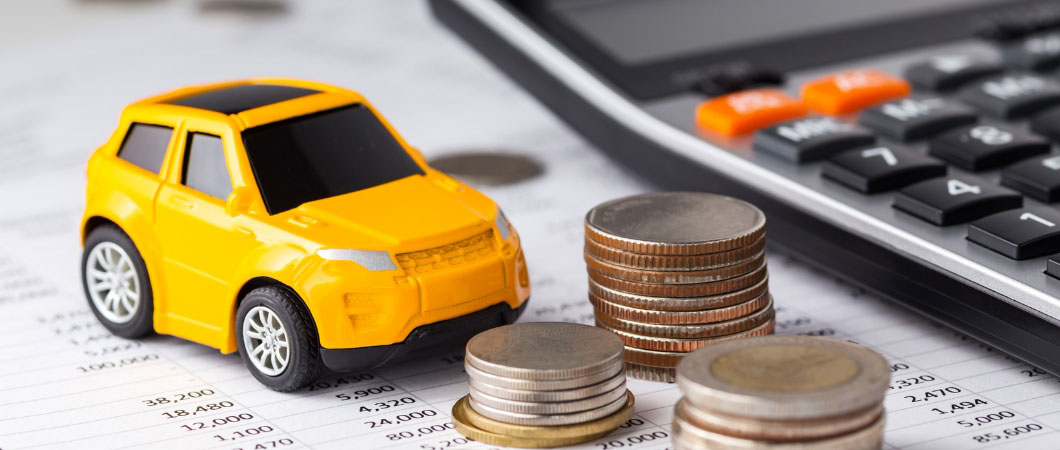
Donating toys comes with several benefits, including tax deductions. Yes, the toys you send to charities, military support groups, and other organizations are tax deductible.
For your used toy donations to be tax deductible, you and the nonprofit organization must submit proper documentation to the Internal Revenue Service (IRS). You cannot claim tax deductions if no legal record of your toy donation exists.
Here are some of the steps you should take to receive tax deductions for donated toys:
- Itemize the donated toys: You’ll want to list all the toys you plan to donate and include a brief description. Try to be as specific as possible. For example, use “Hasbro G.I. Joe Snake Eyes Action Figure” instead of just “action figure.”
- Take a photo of the donations: Having photographic proof of your donations might seem like overkill, but it may prove beneficial in particular situations. You’ll want concrete evidence in case you receive an audit.
- Calculate your donation’s fair market value: Fair market values (FMVs) will vary depending on each toy’s condition, age, initial retail value, etc. Calculating the FMV for your donations will help you know how much to deduct for taxes.
- Request a receipt for donations: When donating children’s toys to organizations like children’s homes or The Salvation Army, you can request a receipt for tax purposes. Keep this receipt and attach it to the appropriate IRS form.
Learn More With Easy Donation PickUp
If you’re looking forward to donating toys and wondering, “Where can I donate used children’s toys?” you’ve come to the right place! Easy Donation PickUp removes all the guesswork and ensures your donations get where you want them to go. Simply pack your boxes and schedule a pickup time, and we’ll take it from there.
At Easy Donation PickUp, we make donating doable. Contact us via our online tool to schedule a large donation pickup, or call (855) 628-8387 to get started today!