Where to Donate Baby Items in California

How to Evaluate a Charity Before You Donate Your Stuff
January 29, 2026
Where to Donate School Supplies in California
March 10, 2026
Babies outgrow things fast. Within a year or two, most parents end up with boxes of clothes that no longer fit, toys that lost their appeal, and gear collecting dust in the garage. If you’re looking to pass these items to California families who can use them, you have several options.
This guide covers where to donate baby items in California, what each type of organization accepts, and how to prepare your items so they don’t get turned away at the door.
Free Pickup Services
If loading up the car and hunting for drop-off hours doesn’t fit your schedule, pickup services are the easiest route. You schedule online or by phone, leave your items outside, and receive a tax receipt without ever leaving home.
What they typically accept: baby clothes, blankets, small gear like bouncy seats and baby swings, and toys in working condition. Items need to be clean and small enough for one person to carry.
What they typically won’t take: car seats, cribs, and large furniture. These items have safety restrictions that make them difficult for most pickup services to handle.
Easy Donation Pickup offers free pickup in Orange County and parts of Los Angeles. Your donations support the National Veterans Foundation, which provides programs for U.S. military veterans and their families. Schedule a pickup or call 855-628-8387.
Baby Banks and Family Resource Centers
Baby banks work like food banks, but for baby essentials. Families in need can pick up items at no cost, which means your donation goes directly to someone who needs it rather than being resold.
These organizations tend to have stricter condition requirements. They want items that look nearly new because they’re handing them straight to families.
California has several baby banks worth knowing about:
MOMS Orange County accepts new and gently used baby and maternity items at their Santa Ana office. They serve pregnant women and new mothers through home visitation programs.
Baby2Baby is based in Los Angeles and distributes items through a network of partner organizations across the state. They accept gently used baby gear and clothing, though they inspect everything before passing it along.
Bay Area Crisis Nursery runs a boutique stocked with donated baby clothes, strollers, toys, and equipment. Families can take what they need at no cost.
Loved Twice focuses specifically on newborn clothing (0-12 months) in the Bay Area. They have drop-off locations in Alameda, Berkeley, and on Piedmont Avenue.
If you want your donation going directly to families rather than through a resale model, baby banks are your best option.
Thrift Stores
Goodwill, Salvation Army, and local thrift stores remain the most accessible option for most Californians. They have locations across the state and accept a broad range of baby items.
When you donate to a thrift store, your items get resold. The proceeds fund job training programs, rehabilitation services, or other charitable work depending on the organization.
Thrift stores tend to be flexible on condition. They’ll take items that baby banks might reject, as long as nothing is stained, torn, or broken. Some locations offer pickup for larger donations. Call your local store to ask.
One thing to keep in mind: not every thrift store accepts the same items. Some won’t take baby gear like high chairs or swings due to liability concerns. It’s worth calling ahead if you’re donating anything beyond clothes and toys.
Shelters and Crisis Programs
Women’s shelters, homeless shelters with family programs, and foster care support organizations often need baby items on short notice. A family might arrive with nothing, and the shelter scrambles to find clothes, diapers, and basic supplies.
Here are some California organizations that accept baby item donations:
San Fernando Valley Rescue Mission serves homeless families in the Los Angeles area, and about half their shelter guests are children under 12. They accept gently used baby clothes, toys, and gear, and offer free donation pickup.
Sacramento Children’s Home operates the county’s only Crisis Nursery for families with children ages 0-5. They accept baby items including bottles, pacifiers, teething rings, toys, and clothing.
Gently Hugged focuses specifically on infant clothing (preemie to 12 months) in San Diego. They have donation bins throughout the city and distribute items directly to families in need.
Orange County Rescue Mission serves families experiencing homelessness and accepts baby items including clothing, hygiene products, and toys. Check their website for current needs and drop-off hours.
Before dropping off donations, call ahead. Ask what they currently need and when they accept drop-offs. Some shelters have security protocols that restrict unannounced visits.
For guidance on finding reputable organizations, see our article on how to evaluate a charity before donating.
Online Consignment and Social Media
Not every option involves a charity. If you want your items to go directly to another family and potentially want to recoup some of the cost, online platforms are worth considering.
Online Consignment: Platforms like GoodBuy Gear and ThredUp let you sell gently used baby items. They handle the listing and shipping; you get a portion of the sale. This works best for higher-value items in excellent condition, like name-brand strollers or baby carriers.
Social Media and Community Groups: Facebook Marketplace, Buy Nothing groups, and Nextdoor connect you with local families looking for baby items. You’ll see exactly who’s receiving your stuff, and the turnaround can be quick.
The tradeoff is effort. You’ll need to take photos, respond to messages, and coordinate pickup times. For busy parents, a free donation pickup might still be the simpler choice.
Donating Diapers
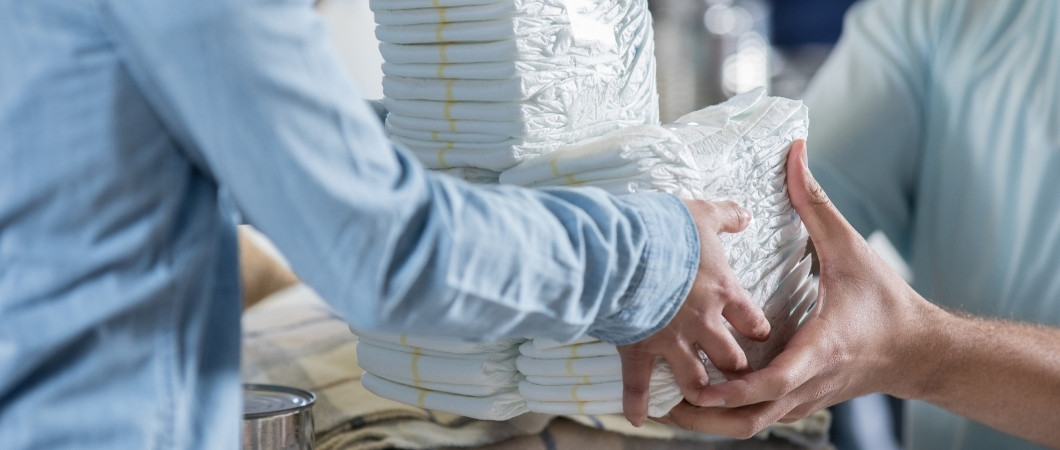
Most baby items can go to any of the places listed above. But diapers deserve a special mention; they’re one of the most requested items, and the rules for donating them are more flexible than you might expect.
Most diaper banks accept opened packages as long as the diapers are clean and the size is identifiable. Put loose diapers in a clear bag and label with the size. Sizes 4, 5, and 6 tend to be in the highest demand since babies stay in those sizes longer.
Some organizations only accept unopened packages, so call ahead if you’re unsure. You can find California diaper banks through the National Diaper Bank Network’s member directory, which lists locations in Los Angeles, Orange County, Sacramento, San Diego, the Bay Area, and other regions.
Baby Items You Cannot Donate
Some items are difficult or impossible to donate due to safety regulations. Knowing this upfront saves you a wasted trip.
Car Seats: Most charities won’t accept used car seats. They expire (check the date stamped on the seat), typically 6-10 years from manufacture, and there’s no way to verify whether a seat has been in an accident. Some baby banks will accept unexpired seats with documentation, but call ahead to confirm.
Car Seats: Car seats expire 6-10 years from manufacture, and there’s no way to verify whether a seat has been in an accident. Check the date stamped on your seat before donating. Some baby banks will accept unexpired seats with documentation, but call ahead to confirm.
Cribs: Federal safety standards changed in 2011, banning drop-side cribs. Older models can’t be donated. Newer cribs meeting current standards may be accepted by baby banks, but thrift stores and pickup services generally won’t take them.
Bottles, Pacifiers, and Breast Pumps: Hygiene concerns limit what organizations can accept. Most will only take these items new and unopened.
What to do instead:
- Worn-out clothes: Look for textile recycling programs. Some retailers like H&M accept old textiles regardless of condition.
- Expired car seats: Target runs periodic trade-in events where you can exchange old car seats for store credit. Some manufacturers also have take-back programs.
- Damaged items: If something is broken, stained beyond cleaning, or missing parts, it’s not donatable. Dispose of it responsibly.
For more details on what charities will and won’t take, check our full guide on acceptable items.
A little prep work increases the chances your donation gets accepted and actually helps someone.
Wash everything. Clothes, blankets, and fabric items should be freshly laundered. If items have been in storage, washing removes that musty smell.
Wipe down gear and toys. Hard surfaces on strollers, high chairs, and plastic toys should be clean. A damp cloth and mild soap handles most of it.
Check for recalls. Visit CPSC.gov and search for your item. This is especially relevant for older gear like strollers and play equipment.
Remove personal items. Check pockets, bags, and compartments. It’s easy to leave a pacifier or teething ring behind.
Be honest about condition. If something is stained, torn, or broken, it’s probably not donatable. Charities don’t have the resources to repair or clean items that aren’t ready to use.
For clothing-specific guidance, see our clothing donation guidelines.
Give Your Baby Items a Second Life
Donating baby items keeps useful things out of landfills and helps California families stretch tight budgets. Whether you choose a pickup service, drop items at a baby bank, or post on a local Buy Nothing group, your donation can make a real difference.
If you’re in Orange County or Los Angeles and want the easiest option, we offer free donation pickup that supports veterans. Schedule a pickup online or call 855-628-8387.