Your Guide To Teaching Kids About Donations and Giving

Donating Real Estate to Charity | Tax Info, Steps, and More
March 21, 2024
Where to Donate Tools You No Longer Need
March 22, 2024
Did you know that giving to others promotes happiness? According to recent research, these positive feelings apply to people of all ages, including young kids.
By teaching your kids concepts like donating to worthy causes and giving to people in need, you can help them become a caring, compassionate adult – someone who is poised to make the world a better place.
This article shares everything you need to know to start teaching kids about donations and giving.
Why Is Teaching Kids About Donations and Giving Important?
We all want our kids to be good citizens, and teaching them about the importance of giving back can reap major long-term benefits, including:
- Fostering a sense of social responsibility
- Encouraging generosity and altruism
- Cultivating an attitude of gratitude and appreciation
- Developing empathy and compassion
- Promoting financial literacy
- Strengthening family values and bonding activities
Nearly all parents would agree that having their children develop these traits as kids can allow them to become better adults.
How To Introduce the Concept to Kids

It’s important not to force donations and giving onto kids. If a child feels forced to donate, volunteer, or give in anyway, they are more likely to resist it, and they could even become resentful.
Instead, the goal is to make your kids want to give back. There are right and wrong ways to do this, and the steps below can set a healthy, sustainable foundation for giving.
Start With Age-Appropriate Discussions
Depending on the age of your child, the language and approach you use to introduce topics like donations and giving will vary. For young children (under 5 years of age, for example), be sure to speak in simple terms and use relatable concepts. For example, the idea of giving could be centered around sharing – as in donating old toys and clothes.
As kids get older, the concept of giving can become more layered. In addition to the concept of donating old items, you can talk about other current world topics, like social and environmental issues, animal rights, cancer research, etc.
When you tailor your discussion based on where your child is in terms of intellectual development, you’ll be in a better position to get buy-in and foster a household that is chock-full of charitable givers!
Use Relatable Examples and Stories
Storytelling is an effective way to facilitate learning, especially when you want to teach your children about giving from a young age. Instead of teaching a lesson in a straightforward manner, stories allow you to paint a picture that includes experiences, life lessons, and examples.
You can tailor your stories to your culture, background, family history, or community, highlighting generosity and the impact that giving has on a person or group. For young kids, you can purchase picture books or make up your own stories for a more personal touch.
Lead by Example Through Your Own Actions
Remember, your kids are always watching you, so if you lead by example, you can automatically fuel a passion for giving through your actions.
Allow your kids to see you being kind, generous, and giving toward others. This could be anything from going with you when you donate items to charity, volunteering your time, or helping a neighbor in need. Be sure to connect what you are doing to the lesson of giving and encourage your child to get involved when appropriate.
For example, if you are buying non-perishable food items for a food drive, let them help you pick out some of their favorite foods to give!
What Are the Different Types of Donations Children Can Learn About?
There are primarily two ways to give to charity: time and money. While kids tend to have more time than they have money, they can still give both! Here are some examples of the different types of donations kids can offer:
- Monetary donations: Your child can give a percentage of their allowance or participate in a fundraiser to generate money for a worthy cause. Emphasize that no amount of money is “too small” and that every little bit counts.
- Donation of goods or toys: Giving away items from a closet or toy chest is an easy way to start learning about donations and giving. Kids can also collaborate with friends, family, and neighbors to collect items to donate.
- Donation of time through volunteering: Volunteering is a great way for kids to develop empathy. You can help your child choose a cause that interests them, like animals or the ocean, and encourage them to get involved in volunteering for those organizations. For older kids and teens, group volunteering with their friends is a healthy activity that also promotes lifelong bonding and connections.
What Types of Volunteer Opportunities Are Suitable for Young Children?
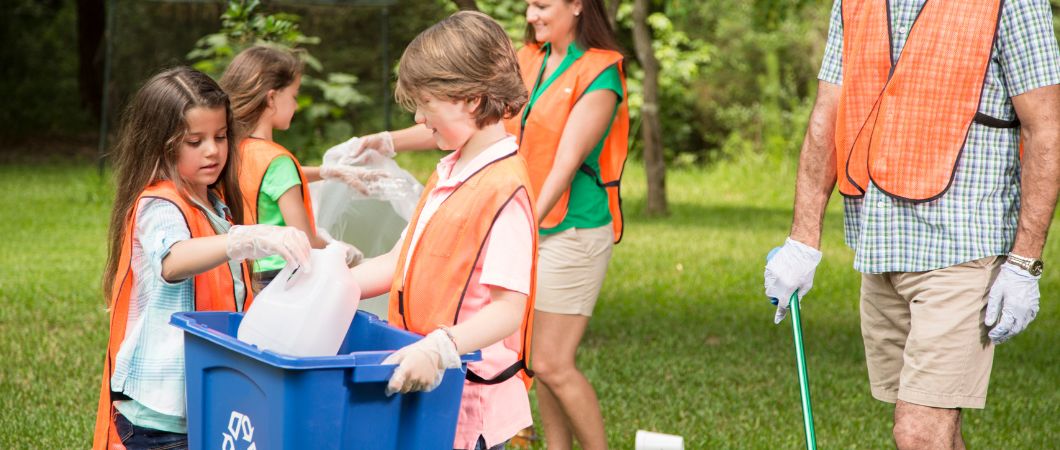
Depending on the age of your child, different volunteering activities may be more suitable than others. The list below includes some that we think are especially appropriate.
- Community clean-up: This activity is at the top of our list because it teaches kids to value where they live and the planet as a whole. Community clean-up can involve picking up litter, planting flowers, or assisting at a community garden.
- Animal shelter assistance: When done with adult supervision, volunteering in animal shelter activities, like cleaning the facility and socializing with the animals, can promote kindness and empathy toward animals.
- Food bank assistance: Helping families in need by sorting items and distributing food can teach your child to feel a part of the community while knowing that they’re helping fill a hungry belly.
How Can Parents Help Kids Understand Various Charitable Causes?
While schools can teach kids about charities and the importance of giving, the biggest impact can come from parents. There are several ways parents can inspire their kids to get involved in charitable causes.
Teaching Kids the Value of Giving Back
The earlier you can start here, the better. You can encourage kids to give back with small acts that can brighten someone’s day. From a small act of kindness like offering to bring in the mail for a neighbor to dropping money in a donation box, you can begin to instill the positive feelings that are caused by having a kind and generous spirit.
Emphasize the Impact of Their Contributions
It can be challenging for kids at a young age to understand the importance that their contributions can have. Be sure to explain the cause you’re supporting and how their charitable acts can make a huge difference.
Encourage Active Participation in Giving Activities
Instead of requiring your child to participate, make it voluntary. You can do this by allowing them to select the causes that they want to support. From there, volunteer or donate together! You can drop off toys at a children’s hospital or volunteer at a nursing home together, for example.
Highlight the Joy of Helping Others
You can reinforce the positive feelings that come from helping others by helping your child recognize the feeling of joy they get from putting a smile on someone’s face or leaving an area better than they found it.
How Can Families Engage in Philanthropic Projects Together?

Engaging in philanthropic projects together can help families build strong bonds while creating lasting memories and traditions. There are several ways that families can do these activities together!
Volunteer at Local Charities or Events
There’s no shortage of local charities or community events that support a cause. Check the local paper, church bulletin boards, or online groups to find events that the family can do together.
You can even begin your own tradition by sponsoring a family or child, turning vacations into volunteering opportunities, or creating care packages for hospital patients or deployed military personnel. Another option is to make a family commitment to raise money for a worthwhile cause that your child believes in.
Participate in Community Service Projects
Every community can thrive when its citizens are committed to making it an ideal place to live! There are countless community service projects families can do together, including:
- Park and beach cleanups
- Homeless shelter assistance
- Neighborhood beautification projects
- Senior care visits
- Community fundraisers and food drives
What Resources Are Available To Support Teaching Kids?
One of the most powerful ways to teach kids about donations and giving (other than leading by example and educating your kids directly) is by exposing them to other inspirational examples. You can find an ample supply of these in pop culture as well as all around you!
Consider the following resources:
- Books: Check local bookstores or go online to find books about giving. One inspirational title is called: Just Help!: How To Build a Better World, written by Associate Justice of the Supreme Court, Sonia Sotomayor.
- Videos and TV shows: Movies like The Lorax, Up, and Pay It Forward all focus on different aspects of being generous. For example, The Lorax is about giving back to the environment, and Pay It Forward is all about good deeds.
- Online platforms: There’s a wealth of inspirational videos across YouTube and social media. If you type “examples of kids and charitable giving” into YouTube’s search bar, you’ll find thousands of stories and videos of real kids to watch.
- Community events: One of the best resources for teaching kids about donations and giving is to get them involved in community events. From litter clean-up to church fundraisers, exposing your child to these events can help them learn by doing.
At Easy Donation Pickup, we support U.S. veterans and their families, providing access to resources ranging from food and clothing to transportation and employment. By scheduling a free pick-up of your unwanted items, you can help make a difference.