

How Do Nonprofits Make Money? What to Know
October 14, 2022
12 Laundry Room Ideas to to Save Space and Maximize Efficiency
November 15, 2022
Whether you’re moving across the state or across the country, moving to a new home comes with a mountain of things to do. We understand how stressful moving can be, so we’ve prepared the ultimate checklist of things to do after moving. We hope it helps your moving adventure go smoothly, so you can start enjoying your new home quickly.
13 Tasks To Tackle Immediately After Moving
1. Get To Know Your New Home
In a new home, it’s vital to learn where all the essential hardware lives. You don’t want to get stuck in the dark trying to locate a fuse box or find out too late that your smoke detectors have no batteries.
If you didn’t do this during your final walk-through before closing, we recommend locating and inspecting all of the following:
- Smoke detectors
- Carbon monoxide detectors
- Breaker box
- Water valves
- Gas valves
- Thermostat
2. Transfer and Set Up Utilities
If your new place was vacant for a while and the utilities don’t work, contact your local service provider, landlord, or building manager.
If you own your home and haven’t already done so, transfer all the essential utilities into your name, including:
- Electricity
- Water
- Natural gas
- Garbage pickup
If you need to choose a different utility service, wait until you’re settled to do this to avoid any gaps in service.
3. Connect and Test Essential Appliances
Even if you’ve already done this before closing, inspect and test all of your essential appliances, including your:
- Furnace
- Water heater
- Air conditioner
- Refrigerator
- Stove
If your new house comes with a washer, dryer, and dishwasher, you could also inspect these appliances while you’re at it.
4. Deep Clean Your New House

To give you and your family members a fresh start, conduct or schedule a deep clean for your home. Many cleaning companies offer services specific to move-in cleanings that will take care of any messes the previous tenants or homeowners left behind. Professional cleaners can tackle everything from walls and floors to stoves and refrigerators.
If you have time, you may also decide to have your carpets cleaned before moving in any large furniture. This can really save you a headache later if the carpets aren’t in the best shape.
5. Change the Locks and Garage Code
A locksmith can help you rekey or replace the locks on all of your exterior doors, including the door from your garage into your home. We don’t recommend skipping this step, as you can never be sure the old residents returned all copies of their keys. Many people give out house keys to neighbors and friends who don’t live there, and they may not get them all back before moving.
You’ll also want to change the garage code to ensure that any misplaced openers can’t access your garage.
6. Set Up a Home Security System
A home security system may represent a significant investment, but it will provide safety and peace of mind for you and your family or roommates. You may find an affordable option through your current cell phone carrier or another service, such as Ring or ADT. A comprehensive home security system may include the following:
- Door and window opening sensors
- Glass break sensors
- Interior motion detectors
- A doorbell camera
- Motion sensor outdoor lights
- Security cameras
7. Add Child or Pet Proofing
If you have a child or pet to look out for, create a safe environment for them as you set up your new home. This may include installing:
- Outlet covers
- Safety gates
- Furniture and appliance anchors
- Cabinet locks
Be sure to check that your stove and other heavy appliances are anchored to the wall to prevent them from tipping over on a climbing child or pet.
8. Unpack Essential Supplies

If you plan on staying in your new home, you’ll need to unpack certain essentials on move-in day, including anything you need to eat, sleep, and manage your daily hygiene. Try to prioritize unpacking:
- Dish and cookware
- Bed linens and clothing
- Personal hygiene items
- Daily medications and supplements
Other essential supplies include everything you need to complete other moving tasks, such as tools and cleaning supplies.
9. Update Your Address at the Post Office
Various government agencies and other entities will need your new address, including:
- The post office
- The Social Security office
- The Internal Revenue Service (IRS)
- Service providers (phone, internet, cable)
- Your bank
- Your credit card company
- Your auto insurance company
- Other financial institutions
- Subscription delivery services
- Your employer
Anyone who sends you correspondence via mail should have your current address so you don’t miss any bills or notices. You may need to visit your local branch to change your address with your bank, but most agencies and companies make it easy to update your address online or through a mobile app. Visit this link to update your address with the United States Post Office.
If you move before you file the year’s taxes, you can alert the IRS by including your new address on your tax return.
10. Get Groceries
Although you may decide to order food delivery or swing by a drive-through, we recommend going grocery shopping as soon as possible. One can only eat so many fast-food cheeseburgers and pieces of pizza before craving fresh food.
If you purged your kitchen before moving, make a list of the basics before you go to be sure you replace all the easily forgotten essentials, including:
- Spices and seasonings
- Condiments
- Flour, sugar, and baking soda
- Cooking oils
11. Make Emergency Plans

When moving into a new house, it’s crucial to establish clear plans of action in the event of an emergency, such as a fire, earthquake, or tornado. Discuss these action plans with every household member so everyone knows what to do. For example, you may establish a meeting place if you need to evacuate the home or instruct your kids to duck beneath the dining table during an earthquake.
12. Enroll Your Children in a New School
If you have school-age children, research the nearest schools to find out where to enroll them. Moving during the school year can prove disruptive for children, so try to return them to school as soon as possible to establish a new routine.
13. Continue the Unpacking Process
Now that you’ve called the power company and cleaned your new residence, it’s time to continue unpacking. The best way to tackle this step depends on who you ask, but we have two main pieces of advice:
- Take your time. Rushing through the unpacking process can result in disorganization because you may place things in the most convenient spot rather than the most appropriate one. Take your time, and consider how you want each room to function before opening any boxes.
- Don’t stash boxes. That said, taking too long to unpack may result in boxes getting stashed away in basements, attics, or garages only to be opened a few years down the road because you can’t find a particular item. Try to limit boxed storage to seasonal items like holiday decorations.
10 Tasks To Tackle After Settling In
1. Get a New License and Vehicle Registration
If you move to a new location a couple of blocks away, you won’t need to worry about updating your driver’s license, but moving to a new city, state, or county requires an entirely new license and car registration. Visit your local department of motor vehicles’ website to find out how long you have to get your new license. Some states have stricter deadlines for getting a new license than others.
While you’re at it, don’t forget to submit a new voter registration application.
2. Establish Storage for Important Documents
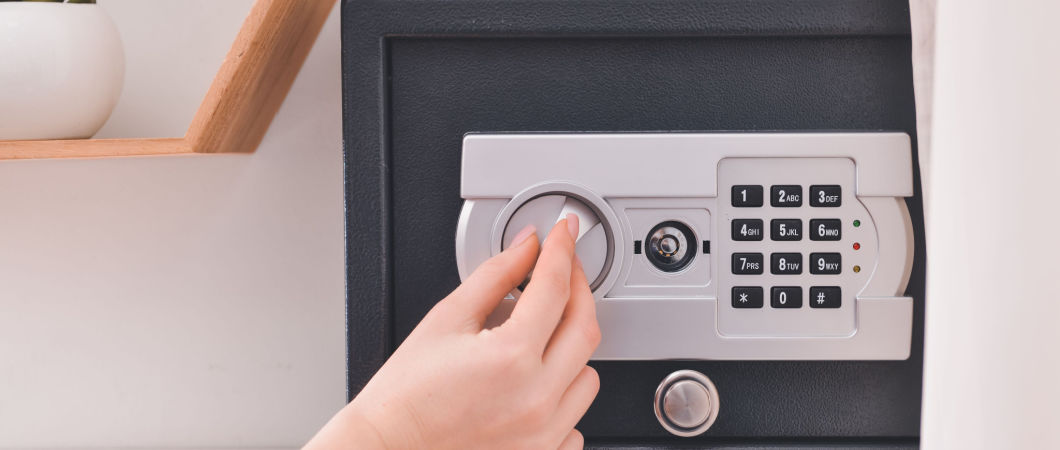
You may already own a document safe or a locking filing cabinet to store important documents. If not, now may be a good time to invest in one. Documents that need secure storage include:
- Birth certificates
- Social Security cards
- Marriage and divorce papers
- Residency and naturalization papers
- Wills and living wills
- Proof of benefits documents
3. Plan Routes to School and Work
Many people request time off during the moving process, but you’ll need to plan the ideal route to work for when you return. You’ll also want to determine how your children will get to school. Look into the school’s busing system or make other travel arrangements if it’s too far to walk or ride a bike.
If your kids will walk to school, we recommend making the walk with them a few times to make sure they know the way.
4. Help Your Kids and Pets Acclimate
Moving into a new home may cause stress for kids and animals that must quickly adapt to a new space. We have a few tips to help your little ones feel at home.
To help a child adjust to a new home, let them explore the layout before unpacking and, if they’re old enough, help set up their room. Establishing a routine early on will also help kids feel at home more quickly.
Animals in unfamiliar spaces need lots of affection and a quiet place to adjust while you unpack. Be sure to give them as many familiar objects as possible, such as toys, pet beds, and blankets.
5. Locate Stores and Other Services
Open your favorite maps app or go for a drive to locate essential stores and services in your new area. For example, you may want to find the nearest:
- Hospital
- Urgent care
- Emergency vet
- Pharmacy
- Grocery store
- Laundromat
- Library
6. Recycle Packing Materials
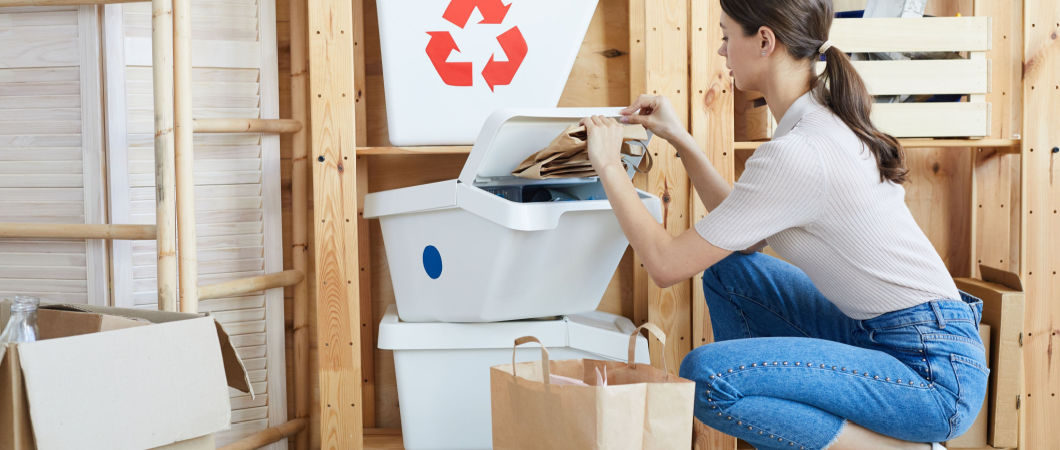
Once you unpack the last box, you’ll have a lot of boxes, bubble wrap, and packing paper to deal with. Instead of just throwing them in the garbage, consider recycling your packing materials.
Damaged boxes can go in your recycling bin, but you can pass along materials in good shape to someone else needing moving supplies. You may give these materials to a friend or relative or create a post on social media offering free boxes.
7. Donate or Sell Unwanted Items
You may encounter clothing and other items that you don’t have room for or no longer need while unpacking. Donate or sell any unwanted items to avoid clutter in your new space. You could host a garage sale, drop off items at your local thrift shop, or schedule a donation pickup at your new address.
Great donation items include:
- Clothing and shoes
- Household goods
- Tools
- Toys and stuffed animals
- Appliances
- Books
You may be in our service area if your new home is in the Los Angeles or Orange Country, CA, area. At Easy Donation Pickup, we pick up donations right from your door for free. Visit this link to schedule your donation pickup.
8. Find New Health Care Providers and Transfer Medical Records
With all the tasks surrounding moving, it can be easy to forget to find a new health care provider, but finding a new doctor, pediatrician, dentist, and others sooner rather than later ensures you have the support you need when you need it.
Once you choose your new health care providers, contact your old ones to get your medical records transferred. You’ll need to sign a release form that allows your old provider to release your records to your new doctors.
9. Get To Know Your New Neighborhood
Getting to know your new community and your new neighbors can help you feel at home in this unfamiliar setting. To get to know your neighborhood, you might:
- Introduce yourself to your neighbors next door
- Explore the area for parks and other recreational areas
- Find a local gym to join
- Join a recreational sports team
- Join another local club
- Participate in community events
10. Make Your New Home Yours
Once you finish unpacking, updating your address, and completing the other essential tasks on this moving checklist, it’s time for the fun part: making your new home your own. Hang photos and paintings, install new curtains and blinds, bring in some greenery, and fill shelves with books and nicknacks to truly make your new space feel like home.
What To Expect From a Move

Moving to a new home is exciting, but it can cause a lot of stress if you’re unprepared. The long to-do lists can become overwhelming quickly, but you can avoid common frustrations by knowing what to expect. Here’s a list of five important considerations to help you prepare:
1. Checklists
Creating a moving checklist can help you break down the overwhelming process of moving into manageable steps. Try to use your list to plan ahead and manage your time. For example, you may create a home inventory and establish a deadline to start packing each room.
Checklists help you get to moving day as smoothly as possible and will encourage good packing organization, which proves vital when unpacking and setting up your new house. They also help you remember all the other little details, like turning in the security deposit.
2. Professional Movers
Some people avoid moving companies to save money, but hiring a moving company can make the process much smoother. Moving companies have experience handling all kinds of items and provide moving insurance, so in case something gets damaged in transport, you can file an insurance claim. Depending on your budget, you may even have the moving company handle the packing for you.
We understand that horror stories about hired movers may make you hesitate, but if you visit this link, we’ll teach you how to spot a good moving company.
3. Decluttering
Moving an entire house often means coming across things you forgot you had or no longer need. You can significantly reduce how much stuff you need to move by decluttering beforehand. For example, if you have an attic full of boxes you haven’t touched in years, go through them and get rid of things you don’t need instead of moving them into your new attic or storage units.
4. Moving Helpers

If you decide not to hire a moving company, recruit some family members or close friends to help you. Moving by yourself is daunting, and you’ll be very grateful for the assistance in carrying awkward furniture, like couches, mattresses, and bed frames.
5. Moving Safety
Moving requires lifting and carrying heavy objects, and it doesn’t take more than a second for someone to get hurt. Keep the following tips in mind to facilitate a safe moving day for you, your family, your movers, and your helpers:
- Keep pets and children out of the way.
- Use proper moving equipment, including straps and a furniture dolly.
- Wear shoes with good grippy tread to avoid slipping.
- Lift with your legs, not your back.
- Don’t try to lift objects that are too heavy.
- Be prepared for inclement weather.
Let Us Pick Up Your Unwanted Items
If you find some items while packing or unpacking that you’d like to donate to a worthy cause, and you live within our Los Angeles service area, schedule a free pickup with Easy Donation Pickup. Donations to us help fund programs and outreach services for U.S. military veterans and their families. Visit this link for a list of accepted items.
Have a safe and happy move!